An Indian Woman in Islamabad Review | Ruchi Ghanashyam
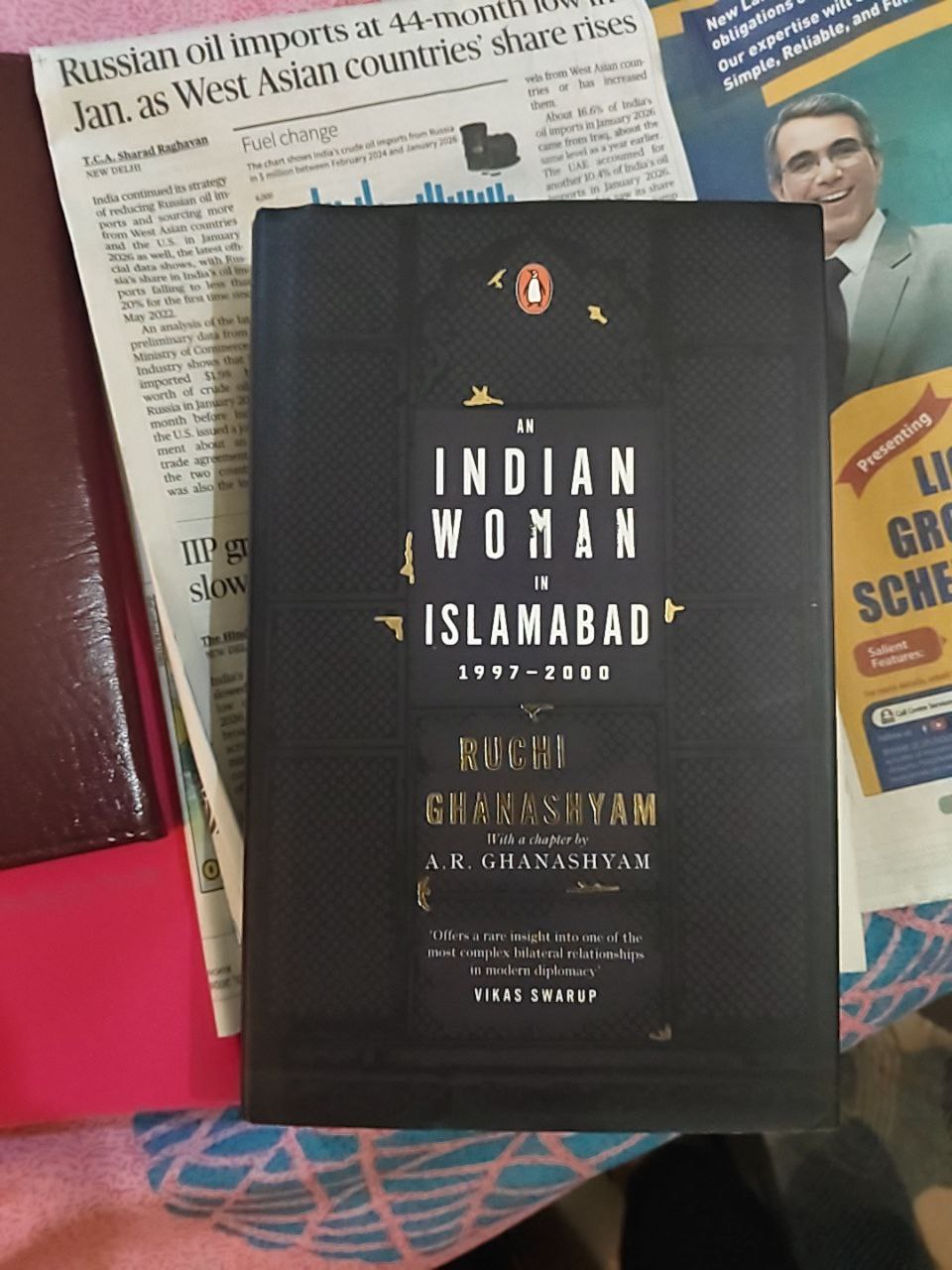
An Indian Woman in Islamabad review: Inside the Nerve Centre of Diplomacy
Welcome to this comprehensive An Indian Woman in Islamabad review. What does it truly mean to serve as an Indian diplomat across the border in a hostile, unpredictable environment during times of unparalleled urgency? In her 2024 strategic affairs book, veteran diplomat Ruchi Ghanashyam offers a rare, insider’s perspective on one of the most volatile periods in South Asian geopolitics. This review will delve into how this Indian Foreign Service memoir sheds light on the lived experience of navigating statecraft—where restraint, precision, and careful communication shape outcomes far more effectively than public rhetoric.
Serving at the High Commission Islamabad from 1997 to 2000, Ghanashyam documents events that permanently influenced India Pakistan relations history. From covert negotiations to high-stakes decision-making, this India Pakistan diplomacy book stands out as an essential read for anyone interested in the intricacies of international relations, particularly concerning the Indo-Pak conflict analysis. The memoir captures the human determination required to maintain a functional diplomatic mission during escalating geopolitical tension.
A Defining Period in India Pakistan Relations History (1997–2000)
The late 1990s were marked by sudden strategic shifts, unexpected military confrontations, and unfolding political crises. The Ruchi Ghanashyam memoir provides meticulously grounded insight into several historic developments that reshaped the subcontinent. Reading this foreign policy memoir, one quickly realises that the diplomatic environment during these years was extraordinarily cautious, controlled, and intensely sensitive. Behind closed doors, the weight of a nation rested on the shoulders of the emissaries.
The Pokhran Nuclear Tests 1998
The strategic tension following India’s Pokhran-II tests and Pakistan’s subsequent nuclear response fundamentally altered the regional security landscape. Ghanashyam’s narrative captures the heightened surveillance, the chilling diplomatic isolation, and the immense psychological pressure placed on Indian officials. The memoir details how every interaction was heavily scrutinised, turning routine diplomatic functions into complex exercises in strategic affairs. Escort vehicles and constant shadowing became part of the daily protocol, demanding extraordinary composure from all Indian personnel.
Kargil War Diplomatic Account
While intense military operations unfolded along the freezing peaks of the Line of Control, diplomatic efforts continued in parallel. A significant portion of this An Indian Woman in Islamabad review highlights how messaging, stern negotiation, and delicate back-channel engagement operated during an active conflict. The Kargil War diplomatic account presented in the book illustrates that while soldiers fought on the frontiers, diplomats fought a relentless war of narratives, fact-finding, and international persuasion from their restricted compounds.
IC 814 Hijacking Perspective
The fateful hijacking of Indian Airlines flight IC 814 in December 1999 created intense multi-national diplomatic pressure that rippled across South Asia and into Afghanistan. Ghanashyam’s IC 814 hijacking perspective from within the Indian mission illustrates the agonizing uncertainty, the rapid intelligence gathering, and the heavy burden of responsibility involved in managing complex crisis diplomacy scenarios. The memoir vividly documents the sleepless nights, frantic coordinations, and emotional strain of officials dealing with hostage negotiators and hostile counterparts.
The Musharraf Coup 1999
The sudden transition from civilian governance under Nawaz Sharif to military rule commanded by General Pervez Musharraf added another drastic layer of unpredictability to direct diplomacy. The memoir provides a calm, observational account of this institutional shift. Ghanashyam records the eerie silence that befell the capital as military vehicles took to the streets, offering readers a front-row seat to the unpredictable unfolding of South Asian geopolitics.
Women in Diplomacy India: An Indian Foreign Service Memoir
One of the book’s greatest achievements is its emphasis on the everyday realities and the profound human dimension of diplomacy, particularly viewed through the lens of Women in diplomacy India. Diplomacy is rarely as glamorous or theatrical as portrayed in popular cinema. Instead, the book reveals it as a continuous grind of tactful negotiation, quiet observation, cultural understanding, and immense emotional restraint.
Ghanashyam writes candidly about the unique challenges of operating as a woman in a deeply conservative social structure, maintaining professional composure under constant surveillance, and navigating both formal hierarchies and informal chauvinism. A particularly memorable chapter, “Karachi Halwa,” reflects on how shared cultural experiences—shared food, common language, and ancestral memory—can momentarily soften hardened political boundaries. It serves as a gentle reminder of the shared heritage that persists beneath the surface of official hostility and the rigid Indo-Pak conflict analysis.
As noted by Vikas Swarup, the celebrated author of Slumdog Millionaire, her narrative:
Offers a rare insight into one of the most complex bilateral relationships in modern diplomacy.
It is this delicate balancing act—representing a robust democracy in an increasingly militarised environment while maintaining human dignity—that sets her strategic affairs book review apart from sterile historical texts.
Book Details & Overview
For those looking to add this essential volume to their collection, or wanting to dive deeper into the life of an unsung diplomatic heroine, here are the core details of the strategic affairs book review subject:
- Title: An Indian Woman in Islamabad (1997–2000)
- Author: Ruchi Ghanashyam (Includes a special chapter by her husband, A.R. Ghanashyam)
- Publisher: Penguin Random House India (Viking Imprint)
- Release Year: August 2024
- Genre: Memoir / Diplomacy / International Relations
- ISBN: 9780143466987
- Format: Hardcover & Kindle Edition
- MRP: ₹699 (Subject to retailer variation)
A Personal Reflection on Crisis Diplomacy and Geopolitics
Reading this detailed Indian Foreign Service memoir brings forth a profound truth: effective modern diplomacy requires immense psychological resilience, discipline, and thoughtful engagement, especially during periods of extreme uncertainty. Rather than dramatising past crises or settling scores, Ghanashyam presents history with remarkable balance and perspective. Her narrative empowers readers to understand not only the high political stakes but also the exhausting human effort behind maintaining open channels of dialogue and reason during strained times.
For readers deeply invested in understanding India–Pakistan relations history, foreign policy formulation, or studying women’s leadership roles in international service, this book offers meaningful insight entirely without exaggeration. It intentionally strips away the jingoism often associated with mainstream Indo-Pak conflict analysis and replaces it with the grounded, methodical reality of daily statecraft. The personal anecdotes only amplify the gravity of the official duties performed by these silent sentinels.
If this critical analysis and deep dive into the historical archives interest you, be sure to explore our expanding Politics section for more explorations into South Asian geopolitics, global affairs, and vital book reviews.
Conclusion
An Indian Woman in Islamabad (1997–2000) provides a measured, beautifully reflective, and highly engaging account of diplomacy during a defining era in South Asian history. By meticulously chronicling her tenure, Ruchi Ghanashyam contributes significantly to a deeper understanding of India–Pakistan diplomatic relations, crisis-era decision-making, the trailblazing role of Women in diplomacy India, and the deeply human side of geopolitical engagement.
This is a thoughtful, vital India Pakistan diplomacy book that adds a much-needed perspective to contemporary discussions on regional diplomacy. Let it serve as a reminder that behind every historic treaty and every averted war, there are dedicated individuals working tirelessly behind closed doors.
SEO Optimization Notes for Future Contributors
-
Image Alt Text Variations (For Media Managers):
- Primary (Used):
Ruchi Ghanashyam memoir on India Pakistan diplomacy (1997–2000) - Alternative 1:
An Indian Woman in Islamabad book cover by Ruchi Ghanashyam - Alternative 2:
India Pakistan diplomacy book covering Kargil War and IC 814 crisis - Alternative 3:
Indian Foreign Service memoir set in Islamabad - Alternative 4:
Book review of An Indian Woman in Islamabad 2024 edition
- Primary (Used):
-
Link Building Suggestions:
- Internal Links: You can link keywords such as
South Asian geopoliticsor the phrasestrategic affairsto your next political deep dive or other reviews stored under[Research Lab](/category/research-lab). - External Authority Links: Consider hyperlinking specific historical keywords like
Pokhran nuclear tests 1998to an archived MEA official press release or a credible documentary, increasing domain authority via association. Note that a link to the publisher's page has already been integrated into the 'Book Details' section.
- Internal Links: You can link keywords such as
Subscribe to the newsletter
Get the latest posts delivered right to your inbox.