വ്യവസ്ഥിതിയുടെയും പ്രതിരോധത്തിന്റെയും കാവ്യഭാഷ: അമൃതവർഷിണി ഒരു മാർക്സിയൻ വായന
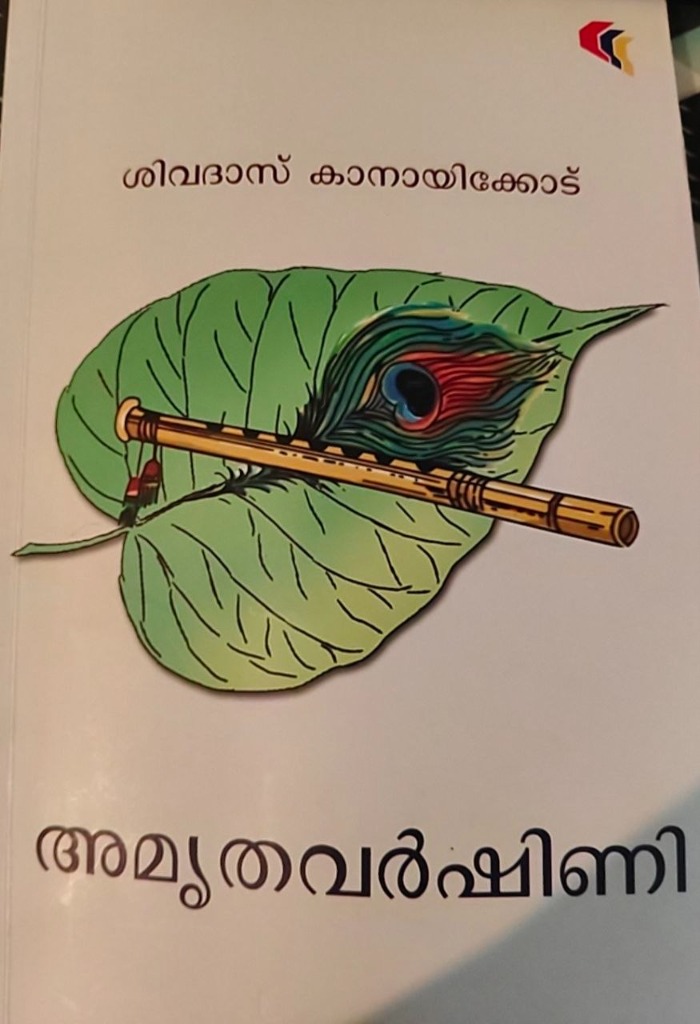
വ്യവസ്ഥിതിയുടെയും പ്രതിരോധത്തിന്റെയും കാവ്യഭാഷ: അമൃതവർഷിണി ഒരു മാർക്സിയൻ വായന
ആമുഖം: ഭൗതിക യാഥാർത്ഥ്യങ്ങളുടെ കാവ്യാവിഷ്കാരങ്ങളും സൈദ്ധാന്തിക വൈരുദ്ധ്യങ്ങളും സാഹിത്യം കേവലം ശൂന്യതയിൽ നിന്നോ കവിയുടെ വ്യക്തിപരമായ ഭാവനകളിൽ നിന്നോ മാത്രം രൂപപ്പെടുന്ന ഒന്നല്ല; മറിച്ച് അത് ഒരു സമൂഹത്തിന്റെ സങ്കീർണ്ണമായ ഉൽപ്പാദന ബന്ധങ്ങളുടെയും (Relations of Production), വർഗ്ഗസമരങ്ങളുടെയും, സാംസ്കാരിക സംഘർഷങ്ങളുടെയും പ്രതിഫലനം കൂടിയാണ്. ഈയൊരു മാർക്സിയൻ സാഹിത്യ ദർശനത്തെ മുൻനിർത്തി, ശിവദാസ് കാനായിക്കോട് 'അമൃതവർഷിണി' എന്ന കവിതാ സമാഹാരത്തെ സമഗ്രമായ ഒരു രാഷ്ട്രീയ വായനയ്ക്ക് വിധേയമാക്കുകയാണ് 2 ദാരിദ്ര്യം, കാർഷിക പ്രതിസന്ധി, അധികാര വർഗ്ഗത്തിന്റെ ചൂഷണം, മാതൃഭാഷയോടുള്ള കൂറ് തുടങ്ങിയ വിഷയങ്ങളിൽ അധ്വാനിക്കുന്നവന്റെ പക്ഷത്തുനിൽക്കുന്ന ഈ സമാഹാരം, മറുഭാഗത്ത് മതപരവും ഫ്യൂഡലുമായ ചില അധികാര ഘടനകളോട് സമരസപ്പെടുന്നതിന്റെ സൈദ്ധാന്തിക വൈരുദ്ധ്യങ്ങളും (Ideological Contradictions) 1 അന്വേഷണ വിധേയമാക്കുന്നുണ്ട്. മുതലാളിത്തം പ്രകൃതിയെയും മനുഷ്യശരീരത്തെയും എങ്ങനെ ചരക്കുവൽക്കരിക്കുന്നു (Commodification) എന്നും, പിതൃസത്താത്മക സമൂഹം (Patriarchal society) സ്ത്രീയുടെ അദൃശ്യ ഗാർഹിക അധ്വാനത്തെയും സാമൂഹിക പുനരുൽപ്പാദന സിദ്ധാന്തത്തെയും (Social Reproduction Theory) എങ്ങനെ മറച്ചുവെക്കുന്നു എന്നുമുള്ള മാർക്സിയൻ-ഫെമിനിസ്റ്റ് നിരീക്ഷണങ്ങളിലൂടെയാണ് ഈ കവിതകളുടെ വായന പുരോഗമിക്കുന്നത്.
- തേക്കുപാടത്ത്
കാർഷിക മേഖലയിലെ അധ്വാനത്തെയും കീഴാള വർഗ്ഗത്തിന്റെ ചെറുത്തുനിൽപ്പിനെയും കുറിക്കുന്ന കവിത. മാർക്സിസ്റ്റ് കാഴ്ചപ്പാടിൽ, ഇത് അടിയാളരുടെ അധ്വാനചൂഷണത്തെയും വർഗ്ഗസമരത്തെയും അടയാളപ്പെടുത്തുന്നു. ജന്മി-കുടിയാൻ വ്യവസ്ഥിതിയിലെ അധികാര ബന്ധങ്ങളാണ് പ്രധാന പ്രമേയം. 'തേവർ' എന്ന പ്രയോഗം അധികാരവർഗ്ഗത്തെയും, അധ്വാനിക്കുന്നവർ അടിച്ചമർത്തപ്പെട്ട അടിയാളരെയുമാണ് പ്രതിനിധീകരിക്കുന്നത്. അധ്വാനത്തിന്റെ ഫലം ഉല്പാദകന് നിഷേധിക്കപ്പെടുന്ന മുതലാളിത്ത/ജന്മിത്ത ചൂഷണത്തെ കവിത നിശിതമായി വിമർശിക്കുന്നു. ജാതി-ജന്മിത്ത വ്യവസ്ഥകളെ കവിത ശക്തമായി പ്രതിരോധിക്കുന്നു. 'മണ്ണാപ്പേടി പുലപ്പേടി' എന്നത് വരേണ്യവർഗ്ഗം സൃഷ്ടിച്ചെടുത്ത ആശയപരമായ അടിച്ചമർത്തലാണ്. ഇവിടെ കീഴാളന്റെ ശബ്ദമാണ് മുഴങ്ങുന്നത്. സാമൂഹ്യ-ചരിത്രപരമായ പശ്ചാത്തലം: കേരളത്തിലെ കാർഷിക ബന്ധങ്ങളുടെയും ജാതി വ്യവസ്ഥയുടെയും ചരിത്രപരമായ പശ്ചാത്തലത്തിലാണ് കവിത നിലകൊള്ളുന്നത്. കർഷകത്തൊഴിലാളികളുടെ വിയർപ്പും പ്രതിരോധവും ഇതിൽ പ്രതിഫലിക്കുന്നു. 'കരിഞ്ഞു പോകട്ടെടി', 'ചേറും ഞാറും പുണരട്ടെ' തുടങ്ങിയ പ്രയോഗങ്ങൾ വിപ്ലവകരമായ മാറ്റത്തിന്റെ പ്രതീകങ്ങളാണ്. നാടൻപാട്ടിന്റെ ശൈലിയും താളവും അധ്വാനവർഗ്ഗത്തിന്റെ ജീവസ്സുറ്റ സ്വരത്തെ ശക്തിപ്പെടുത്തുന്നു. ജന്മിത്ത അധികാര ഘടനകളെ ചോദ്യം ചെയ്യുന്ന ഈ കവിത, അധ്വാനിക്കുന്ന വർഗ്ഗത്തിന്റെ വിമോചനമെന്ന ഇടതുപക്ഷ സന്ദേശം മുന്നോട്ടുവെക്കുന്നു.
- നരമേധം
കീഴാളർ നേരിടുന്ന അടിച്ചമർത്തലുകളും ഭരണകൂട/വർഗ്ഗ ഭീകരതയും വരച്ചുകാട്ടുന്ന കവിത, അധികാരവർഗ്ഗം ദരിദ്രരുടെ മേൽ നടത്തുന്ന വർഗ്ഗപരമായ ആക്രമണമാണ് ഇതിലെ വിഷയം. വിശപ്പ് എന്ന അടിസ്ഥാന ആവശ്യത്തെപ്പോലും ഭയക്കുന്ന അധ്വാനവർഗ്ഗത്തിന്റെ നിസ്സഹായതയും, അവരെ അടിച്ചമർത്തുന്ന മൂലധനശക്തികളുടെ ക്രൂരതയും ഇതിൽ പ്രകടമാണ്. 'കുറുനരി ശാസ്ത്രം' എന്ന പ്രയോഗം ഭരണകൂടത്തിന്റെ ചൂഷണോപാധികളെയും കപട പ്രത്യയശാസ്ത്രങ്ങളെയും തുറന്നുകാട്ടുന്നു. നീതി നിഷേധിക്കപ്പെട്ട കീഴാളന്റെ ശബ്ദമാണ് ഇവിടെ പ്രധാനം. സാമൂഹ്യ-ചരിത്രപരമായ പശ്ചാത്തലം: ആഗോളവൽക്കരണ കാലഘട്ടത്തിലെ ദളിത്-കീഴാള പീഡനങ്ങളുടെയും, ഭരണകൂട ഭീകരതയുടെയും പശ്ചാത്തലം കവിതയിലുണ്ട്. സമ്പത്തിന്റെ കേന്ദ്രീകരണവും ദാരിദ്ര്യവൽക്കരണവും ഇതിൽ പ്രതിഫലിക്കുന്നു. ‘കുത്തിവരഞ്ഞ ഹൃദയം', 'ഇടിവാൾ വായ്ത്തല' തുടങ്ങിയ ബിംബങ്ങൾ ഭരണകൂട ഹിംസയെ സൂചിപ്പിക്കുന്നു. രോഷവും സങ്കടവും കലർന്ന സ്വരമാണ് കവിതയ്ക്കുള്ളത്. അധികാര വർഗ്ഗത്തിന്റെ നരമേധങ്ങളെ തുറന്നുകാട്ടുന്ന കവിത, വ്യവസ്ഥിതിക്കെതിരായ വിപ്ലവത്തിന്റെ അനിവാര്യതയെ അടിവരയിടുന്നു.
- തൂവൽ കരാംഗുലി
കാലയവനികയ്ക്കുള്ളിൽ മറഞ്ഞ ഒരു പുരോഗമന കവിയെ (ഒ.എൻ.വി കുറുപ്പ്) അനുസ്മരിക്കുന്ന കവിത. കലയുടെയും സാഹിത്യത്തിന്റെയും സാമൂഹിക ഉത്തരവാദിത്തം എന്ന മാർക്സിസ്റ്റ് ആശയം ഇതിൽ ഉൾച്ചേർന്നിരിക്കുന്നു. കവിതയും കലയും കേവലം ആസ്വാദനത്തിനല്ല, മറിച്ച് 'ഏതു പൊന്നരിവാളിലും മൂർച്ചയായ്' മാറേണ്ടതുണ്ട് എന്ന വർഗ്ഗബോധമാണ് ഇതിലുള്ളത്. മുതലാളിത്ത ചന്തയിൽ 'പെണ്ണ് വിൽക്കപ്പെടുന്ന' അവസ്ഥയെ കവിത വിമർശിക്കുന്നു. ജാതിഭേദവും മതദ്വേഷവും നിലനിൽക്കുന്ന സമൂഹത്തിൽ കവിയുടെ മൗനം എന്ത് പ്രത്യാഘാതം ഉണ്ടാക്കുന്നു എന്ന് ഇത് ചോദിക്കുന്നു. പുരോഗമന ആശയങ്ങളെ പിന്തുണയ്ക്കുകയും അരാഷ്ട്രീയതയെ എതിർക്കുകയും ചെയ്യുന്നു. സാമൂഹ്യ-ചരിത്രപരമായ പശ്ചാത്തലം: കേരളത്തിലെ ഇടതുപക്ഷ സാംസ്കാരിക പ്രസ്ഥാനങ്ങളുടെയും സാഹിത്യത്തിലെ പുരോഗമന ആശയങ്ങളുടെയും ചരിത്രമാണ് ഇതിന്റെ പശ്ചാത്തലം. നവലിബറൽ കാലത്തെ സാംസ്കാരിക ജീർണ്ണതയും ഇതിൽ വിഷയമാകുന്നു. 'പൊന്നരിവാൾ', 'ശവകുടീരം' എന്നീ പ്രതീകങ്ങൾ കമ്മ്യൂണിസ്റ്റ് ആശയങ്ങളെയും വിപ്ലവത്തെയും ഓർമ്മിപ്പിക്കുന്നു. ഗൃഹാതുരതയും നഷ്ടബോധവും കലർന്ന ശൈലി. കല അധ്വാനിക്കുന്നവന്റെ പക്ഷത്താകണം എന്ന മാർക്സിസ്റ്റ് സന്ദേശം നൽകുന്ന കവിത, സാംസ്കാരിക മേഖലയിലെ വലതുപക്ഷ വ്യതിയാനങ്ങളെ പ്രതിരോധിക്കുന്നു.
- കുചേലം
കൃഷ്ണ-കുചേല മിത്തിനെ പൊളിച്ചെഴുതുന്ന കവിത. വർഗ്ഗപരമായ അസമത്വങ്ങളെ മാർക്സിസ്റ്റ് ചിന്താധാരയിലൂടെ ഇത് പുനർവായനയ്ക്ക് വിധേയമാക്കുന്നു. 'ഉള്ളവൻ', 'ഇല്ലാത്തവൻ' എന്ന വർഗ്ഗവിഭജനം ദൈവത്തിന്റെയോ വിധിയുടെയോ സൃഷ്ടിയല്ല, മറിച്ച് സാമൂഹിക വ്യവസ്ഥയുടെ ഉല്പന്നമാണെന്ന് കവിത വാദിക്കുന്നു. ദ്വാരകയുടെ സമ്പന്നതയും കുചേലന്റെ ദാരിദ്ര്യവും തമ്മിലുള്ള വൈരുദ്ധ്യം മൂലധന വിതരണത്തിലെ അസമത്വത്തെ കാണിക്കുന്നു. ദാരിദ്ര്യത്തെ പുണ്യമായി കാണുന്ന മതപരമായ ആധിപത്യ ആശയത്തെ കവിത നിരാകരിക്കുന്നു. ദരിദ്രന്റെ (കുചേലന്റെ) വർഗ്ഗബോധം ഇതിൽ ഉണരുന്നു. മതം എങ്ങനെ യാഥാർത്ഥ്യങ്ങളെ മറച്ചുവെക്കുന്നു എന്നതിന്റെ വിമർശനമാണിത്. സാമൂഹ്യ-ചരിത്രപരമായ പശ്ചാത്തലം: സമ്പത്തിന്റെ അസമമായ വിതരണം നിലനിൽക്കുന്ന ആധുനിക മുതലാളിത്ത സമൂഹത്തിന്റെ പശ്ചാത്തലത്തിലാണ് കുചേലന്റെ ചോദ്യങ്ങൾ പ്രസക്തമാകുന്നത്. ദാരിദ്ര്യം ഒരു റൊമാന്റിക് സങ്കല്പമല്ല എന്ന തിരിച്ചറിവാണിത്. 'ജീർണ്ണിച്ച ഓലക്കുട', 'വർണ്ണവൈഭവം' എന്നീ വൈരുദ്ധ്യാത്മക ബിംബങ്ങൾ വർഗ്ഗവ്യത്യാസത്തെ വെളിപ്പെടുത്തുന്നു. ചോദ്യരൂപത്തിലുള്ള ആഖ്യാനശൈലി അധികാരത്തെ നേരിട്ട് വെല്ലുവിളിക്കുന്നു. വർഗ്ഗരഹിതമായ സമസൃഷ്ടിസ്നേഹത്തിനു വേണ്ടി വാദിക്കുന്ന കവിത, മതപരമായ മിത്തുകൾക്കുള്ളിലെ ചൂഷണ ഘടനകളെ വിജയകരമായി പൊളിച്ചുകാട്ടുന്നു.
- മന്ദാരം
പ്രകൃതിയെയും സൗന്ദര്യത്തെയും കൈവശപ്പെടുത്താൻ ശ്രമിക്കുന്ന പ്രവണതയെക്കുറിച്ചുള്ള കവിത. പ്രകൃതി ചൂഷണത്തെയും അന്യവൽക്കരണത്തെയും ഒരു മാർക്സിസ്റ്റ് പരിസ്ഥിതി ദൃഷ്ടികോണിൽ കാണാം. അധ്വാനിക്കാത്തവൻ അധ്വാനത്തിന്റെ ഫലം അനുഭവിക്കുന്ന മുതലാളിത്ത വ്യവസ്ഥയുടെ സൂക്ഷ്മമായ ആവിഷ്കാരമാണിത്. 'ആരു നട്ടു നനച്ചുവെന്നോർക്കാതെ' പൂവടർത്തുന്നത്, തൊഴിലാളിയുടെ ഉല്പന്നത്തിന്മേൽ മുതലാളി അവകാശം സ്ഥാപിക്കുന്നതിന് തുല്യമാണ്. സൗന്ദര്യത്തെയും പ്രകൃതിയെയും വ്യക്തിപരമായ ഉപഭോഗത്തിനുള്ള ചരക്കായി (commodity) കാണുന്ന മുതലാളിത്ത ആശയത്തെ കവിത വിമർശിക്കുന്നു. അധ്വാനിക്കുന്നവന്റെ മൗനമാണ് ഇവിടെ പ്രതിഫലിക്കുന്നത്. സാമൂഹ്യ-ചരിത്രപരമായ പശ്ചാത്തലം: പരിസ്ഥിതി ചൂഷണവും നവലിബറൽ ഉപഭോഗ സംസ്കാരവും ശക്തിപ്പെട്ട ആധുനിക സമൂഹമാണ് પശ്ചാത്തലം. സ്വന്തമല്ലാത്തതിനെ അധികാരമുപയോഗിച്ച് സ്വന്തമാക്കുന്ന പ്രവണത ഇതിൽ കാണാം. 'മലയമാരുതൻ', 'ശലഭചുംബനം' തുടങ്ങിയ പ്രകൃതിദൃശ്യങ്ങൾ പൂവിന്റെ നൈസർഗ്ഗികതയെയും, പൂവടർത്തൽ അതിക്രമത്തെയും സൂചിപ്പിക്കുന്നു. കാവ്യാത്മകവും എന്നാൽ വിമർശനാത്മകവുമായ സ്വരം. പ്രകൃതിക്കുമേലുള്ള മനുഷ്യന്റെയും, അധ്വാനത്തിനുമേലുള്ള മൂലധനത്തിന്റെയും അധിനിവേശത്തെ ചോദ്യം ചെയ്യുന്നതിലൂടെ കവിത ശക്തമായ രാഷ്ട്രീയമാനം കൈവരിക്കുന്നു.
- താജ്മഹൽ
താജ്മഹലിന്റെ പശ്ചാത്തലത്തിലുള്ള പ്രണയകവിത. ഷാജഹാന്റെയും മുംതാസിന്റെയും പ്രണയത്തെ ചരിത്രപരവും മാർക്സിസ്റ്റ് ദൃഷ്ടിയിലുമുള്ള വായനയ്ക്ക് വിധേയമാക്കാം. കവിത പ്രണയത്തെ വാഴ്ത്തുമ്പോഴും, 'നറു വെൺ ശിലാഭംഗി' നിർമ്മിച്ച ആയിരക്കണക്കിന് തൊഴിലാളികളുടെ അധ്വാനവും വിയർപ്പും അദൃശ്യമാക്കപ്പെടുന്നു. അധികാരവർഗ്ഗത്തിന്റെ വികാരങ്ങൾ മാത്രം ചരിത്രമാകുന്നതിന്റെ സൂചനയാണിത്. രാജാക്കന്മാരുടെ പ്രണയവും വൈകാരികതയും മഹത്വവൽക്കരിക്കുന്ന ഫ്യൂഡൽ/സാമ്രാജ്യത്വ ആശയത്തെയാണ് ഇത് പ്രതിനിധീകരിക്കുന്നത്. നിർമ്മാണത്തൊഴിലാളികളുടെ ശബ്ദം ഇവിടെ പൂർണ്ണമായും മൗനിപ്പിക്കപ്പെട്ടിരിക്കുന്നു. സാമൂഹ്യ-ചരിത്രപരമായ പശ്ചാത്തലം:മുഗൾ സാമ്രാജ്യത്തിന്റെ അധികാര പ്രൗഢിയും സമ്പത്തും പശ്ചാത്തലമാകുമ്പോൾ, രാജഭരണകാലത്തെ വർഗ്ഗവിഭജനവും തൊഴിലാളി ചൂഷണവും ഇതിൽ ഒളിഞ്ഞുകിടക്കുന്നു. 'മുഗളസാമ്രാജ്യം', 'യമുനയാം ഖൽബ്' തുടങ്ങിയ പ്രതീകങ്ങൾ അധികാരത്തിന്റെയും പ്രണയത്തിന്റെയും സമ്മിശ്ര ബിംബങ്ങളാണ്. ഭാവഗീതപരമാണ് ശൈലി. പ്രകടമായി പ്രണയം പ്രമേയമാക്കുമ്പോഴും, ഭരണവർഗ്ഗത്തിന്റെ സ്മാരകങ്ങൾക്കടിയിൽ കുഴിച്ചുമൂടപ്പെട്ട അധ്വാനവർഗ്ഗത്തിന്റെ ചരിത്രത്തെക്കുറിച്ചുള്ള മാർക്സിസ്റ്റ് ചോദ്യങ്ങൾ ഈ കവിത അവശേഷിപ്പിക്കുന്നു.
- കറുക
മരണാനന്തര ചടങ്ങുകളുടെയും സ്വത്ത് വിഭജനത്തിന്റെയും പശ്ചാത്തലത്തിലുള്ള കവിത. മാർക്സിസ്റ്റ് വീക്ഷണത്തിൽ ഇത് കുടുംബത്തിനുള്ളിലെ സ്വകാര്യ സ്വത്തിന്റെയും സാമ്പത്തിക ബന്ധങ്ങളുടെയും വിശകലനമാണ്. വൈകാരിക ബന്ധങ്ങളെക്കാൾ സാമ്പത്തിക താല്പര്യങ്ങൾ (സ്വത്ത്/ഓഹരി) എങ്ങനെ കുടുംബ ബന്ധങ്ങളെ നിർണ്ണയിക്കുന്നു എന്ന് കവിത കാണിക്കുന്നു. മരണം പോലും സാമ്പത്തിക വിഭജനത്തിനുള്ള ഒരു ഉപാധിയായി മാറുന്ന മുതലാളിത്ത ജീർണ്ണത ഇതിൽ വ്യക്തമാണ്. സ്വകാര്യ സ്വത്തിനോടുള്ള ആർത്തി മനുഷ്യബന്ധങ്ങളെ എങ്ങനെ കച്ചവടവൽക്കരിക്കുന്നു എന്നതിന്റെ വിമർശനമാണിത്. ആധിപത്യമുള്ളത് മൂലധനത്തിനാണ്, സ്നേഹത്തിനോ സഹാനുഭൂതിക്കോ അല്ല. സാമൂഹ്യ-ചരിത്രപരമായ പശ്ചാത്തലം: കൂട്ടുകുടുംബ വ്യവസ്ഥയിൽ നിന്ന് അണുകുടുംബത്തിലേക്കും, അവിടെ നിന്ന് തികഞ്ഞ സ്വാർത്ഥതയിലേക്കും മാറിയ കേരളീയ മധ്യവർഗ്ഗ സമൂഹത്തിന്റെ യാഥാർത്ഥ്യമാണിത്. 'പകുതി വെന്ത മാംസങ്ങൾ', 'ചിതലു വായിച്ചെടുത്ത കൈയക്ഷരം' തുടങ്ങിയ ദൃശ്യങ്ങൾ ജീർണ്ണതയെയും മരണത്തെയും സൂചിപ്പിക്കുന്നു. നിരാശയും പരിഹാസവും കലർന്ന സ്വരം. സ്വകാര്യ സ്വത്ത് എന്ന വ്യവസ്ഥിതി മനുഷ്യനെ എത്രത്തോളം മൃഗീയമാക്കുന്നു എന്ന് കാട്ടിത്തരുന്ന ഈ കവിത, സാമ്പത്തിക അധികാര ഘടനകളെ നിശിതമായി വിമർശിക്കുന്നു.
- പെരുങ്കാലപെരുമാൾ
കേരളത്തിന്റെ തനിമയും സംസ്കാരവും കച്ചവടവൽക്കരിക്കപ്പെടുന്നതിനെതിരെയുള്ള ശക്തമായ പ്രതിഷേധ കവിത. സാംസ്കാരിക സാമ്രാജ്യത്വത്തിനെതിരെയുള്ള മാർക്സിസ്റ്റ് വിമർശനം ഇതിൽ ദൃശ്യമാണ്. 'കുടിവെള്ളം വിറ്റ കാലം, മലയാളം വിറ്റ കാലം' എന്ന വരികൾ പ്രകൃതിവിഭവങ്ങളുടെയും മാതൃഭാഷയുടെയും മുതലാളിത്ത കച്ചവടവൽക്കരണത്തെ തുറന്നുകാട്ടുന്നു. എല്ലാം ചരക്കായി മാറുന്ന (commodification) നവലിബറൽ നയങ്ങളെ കവിത എതിർക്കുന്നു. ലാഭക്കൊതിയിലധിഷ്ഠിതമായ വികസന ആശയങ്ങളെ കവിത നിരാകരിക്കുന്നു. പരിസ്ഥിതിയെയും സംസ്കാരത്തെയും വിറ്റുതുലയ്ക്കുന്ന ഭരണവർഗ്ഗ പക്ഷപാതത്തിനെതിരെ കീഴാളന്റെയും പ്രകൃതിയുടെയും ശബ്ദം ഇതിൽ മുഴങ്ങുന്നു. സാമൂഹ്യ-ചരിത്രപരമായ പശ്ചാത്തലം: ആഗോളവൽക്കരണത്തിനു ശേഷമുള്ള കേരളത്തിലെ പാരിസ്ഥിതിക നാശവും സാംസ്കാരിക അപചയവും വ്യക്തമാക്കുന്ന പശ്ചാത്തലം. ഭൂമാഫിയകളുടെയും കോർപ്പറേറ്റുകളുടെയും കടന്നുകയറ്റം. സാഹിത്യ സാങ്കേതികതകൾ: 'പക്ഷിപ്പനിക്കാലം', 'ഇരിക്കപ്പിണ്ഡങ്ങൾ' തുടങ്ങിയ ബിംബങ്ങൾ മരണത്തെയും നാശത്തെയും പ്രതിനിധീകരിക്കുന്നു. താളാത്മകവും എന്നാൽ അങ്ങേയറ്റം രോഷാകുലവുമായ ശൈലി. വിപണി കേന്ദ്രീകൃതമായ അധികാര വ്യവസ്ഥകളെ വെല്ലുവിളിക്കുന്ന ഈ കവിത, സർവ്വനാശത്തിലേക്ക് പോകുന്ന സമൂഹത്തെക്കുറിച്ചുള്ള ശക്തമായ ഇടതുപക്ഷ താക്കീതാണ്.
- പിറവം ഒരു സുന്ദരി
ഒരു ദേശത്തിന്റെ സംസ്കാരവും സാഹിത്യവും അവിടുത്തെ ഭൗതിക സാഹചര്യങ്ങളുമായി (Material Conditions) എങ്ങനെ ബന്ധപ്പെട്ടിരിക്കുന്നു എന്നതിന്റെ ഉത്തമ ഉദാഹരണമാണ് 'പിറവം ഒരു സുന്ദരി' എന്ന കവിത. കവി വർണ്ണിക്കുന്ന പിറവത്തിന്റെ 'സൗന്ദര്യം' കേവലം കാല്പനികമായ ഒരു കാഴ്ചയല്ല; മറിച്ച് അവിടുത്തെ ജനങ്ങളുടെ ജീവനാഡിയായ ജലസ്രോതസ്സുകളുമായും അവയുടെ വിനിയോഗവുമായും ബന്ധപ്പെട്ട രാഷ്ട്രീയ സമ്പദ്വ്യവസ്ഥയുടെ (Political Economy) കൂടി ചിത്രമാണ്. ഈ കവിതയെ ഒരു ജനകീയ-മാർക്സിയൻ പശ്ചാത്തലത്തിൽ താഴെ പറയുന്ന രീതിയിൽ വായിച്ചെടുക്കാം: പ്രകൃതിവിഭവങ്ങൾ പൊതുസ്വത്തായി (Natural Resources as Commons) കവിതയിലെ മൂവാറ്റുപുഴയാറും മറ്റ് പുഴകളും കേവലം വർണ്ണനാത്മക ബിംബങ്ങളല്ല. മാർക്സിയൻ വീക്ഷണത്തിൽ, ഭൂമിയും ജലവും ഉൾപ്പെടെയുള്ള പ്രകൃതിവിഭവങ്ങൾ ഉൽപ്പാദനത്തിന്റെ അടിസ്ഥാന ഘടകങ്ങളാണ് (Means of Production). കവിതയിലെ "പിടിതരാതൊഴുകുന്ന പ്രണയകല്ലോലിനി" എന്ന വരിയെ, ജനകീയ ഇടപെടലുകളിലൂടെ (Public Interventions) സമൂഹത്തിന്റെ താഴെത്തട്ടിലേക്ക് എത്തിക്കേണ്ട ജലസമ്പത്തായി വായിക്കാം. ഇടപ്പള്ളിച്ചിറ, കക്കാട്, കൊമ്പനാമല തുടങ്ങിയ പ്രദേശങ്ങളിലെ ജലപദ്ധതികൾ ഈ പ്രകൃതിവിഭവത്തെ എങ്ങനെ ഒരു ജനതയുടെ അടിസ്ഥാന ആവശ്യങ്ങൾക്കായി സാമൂഹികവൽക്കരിക്കുന്നു (Socialization of resources) എന്നതിന്റെ സൂചനയാണ്. ക്ഷേമരാഷ്ട്രവും അടിസ്ഥാന സൗകര്യ വികസനവും (Welfare State and Infrastructure) ഇടപ്പള്ളിച്ചിറയിലെ പൈപ്പ്ലൈൻ നവീകരണത്തിനായി ഭരണകൂടം ചിലവഴിക്കുന്ന തുക ജനങ്ങളുടെ അടിസ്ഥാന ആവശ്യങ്ങൾ ഉറപ്പാക്കാൻ നടത്തുന്ന സുപ്രധാനമായ ഇടപെടലാണ് (State Intervention). കവിതയിൽ പറയുന്ന "സുകൃത സഞ്ചാര പഥങ്ങൾ" എന്നതിനെ കേവലം പുണ്യയാത്രകളായല്ല, മറിച്ച് ജനങ്ങൾക്ക് തുല്യമായി കുടിവെള്ളം എത്തിക്കുന്ന ജലവിതരണ ശൃംഖലകളായി (Infrastructure networks) ബന്ധിപ്പിക്കാം. കുടിവെള്ള ക്ഷാമം പരിഹരിക്കുക എന്നത് വിഭവങ്ങളുടെ തുല്യമായ വിതരണത്തിലൂടെ സാധ്യമാകുന്ന വർഗ്ഗരഹിതമായ ഒരു സമൂഹത്തിലേക്കുള്ള (Classless society) ചുവടുവെപ്പാണ്. മതേതരത്വത്തിന്റെ ഭൗതിക അടിസ്ഥാനം (Material Basis of Secularism) സമൂഹത്തിന്റെ ഭൗതികമായ ആവശ്യങ്ങൾ (ഭക്ഷണം, വെള്ളം, പാർപ്പിടം) തുല്യമായി നിറവേറ്റപ്പെടുമ്പോഴാണ് യഥാർത്ഥ ഐക്യം സാധ്യമാകുന്നത്. "മതമതിൽ ഭേദിച്ചു വാഴുന്നൊരുന്മകൾ" എന്ന വരിയെ ജലപദ്ധതികളുടെ പശ്ചാത്തലത്തിൽ വായിക്കുമ്പോൾ ഒരു വലിയ രാഷ്ട്രീയ യാഥാർത്ഥ്യം വെളിപ്പെടുന്നു: മതം നോക്കാതെ ഓരോ വീട്ടിലേക്കും എത്തുന്ന കുടിവെള്ളം സാംസ്കാരിക ഉപരിഘടനയിലെ (Cultural Superstructure) മതേതരത്വത്തിന് ശക്തമായ ഭൗതിക അടിത്തറ (Material base) നൽകുന്നു. പ്രവാസികൾ അയക്കുന്ന മൂലധനം ഇത്തരം അടിസ്ഥാന വികസനങ്ങളിലേക്ക് വഴിതിരിച്ചുവിടുന്നത് ആധുനിക നഗരവൽക്കരണത്തിന്റെ സാമ്പത്തിക ഭദ്രതയെ സൂചിപ്പിക്കുന്നു. വൈരുദ്ധ്യാത്മകത: പാരമ്പര്യവും ആധുനികതയും (Dialectics of Tradition and Modernity) 'പാഴൂർ പടിപ്പുര' പോലുള്ള ചരിത്ര ബിംബങ്ങൾ പഴയകാല ഫ്യൂഡൽ/നാട്ടുരാജ്യ വ്യവസ്ഥയെ അടയാളപ്പെടുത്തുമ്പോൾ, പുതിയ ജലവിതരണ പദ്ധതികൾ ആധുനികതയെയും നഗരവൽക്കരണത്തെയും പ്രതിനിധീകരിക്കുന്നു. ഈ രണ്ട് കാലഘട്ടങ്ങളുടെയും വൈരുദ്ധ്യാത്മകമായ സംഗമമാണ് (Dialectical synthesis) കവിതയിലെ പിറവം. പരമ്പരാഗതമായ അറിവുകളെയും സാംസ്കാരിക ബിംബങ്ങളെയും നിലനിർത്തിക്കൊണ്ടുതന്നെ, ജനകീയ വികസന പദ്ധതികളിലൂടെ മുന്നേറുന്ന ഒരു നഗരത്തിന്റെ പരിണാമം ഇതിൽ വ്യക്തമാണ്. ‘പിറവം ഒരു സുന്ദരി' എന്ന കവിതയെ അടിസ്ഥാന വർഗ്ഗത്തിന്റെ ജീവിതാവശ്യങ്ങളുടെ പശ്ചാത്തലത്തിൽ വിശകലനം ചെയ്യുമ്പോൾ, ദേശത്തിന്റെ സൗന്ദര്യം എന്നത് കേവലം പ്രകൃതിയല്ല, മറിച്ച് 'ദാഹരഹിതമായ ഒരു ജനതയുടെ അതിജീവനമാണ്' എന്ന് മനസ്സിലാക്കാം. കക്കാടും കൊമ്പനാമലയിലും ഇടപ്പള്ളിച്ചിറയിലും ശുദ്ധജലമെത്തുമ്പോൾ, അടിസ്ഥാന സൗകര്യ വികസനം ഒരു നാടിനെ എത്രത്തോളം 'സുന്ദരി'യാക്കുന്നു എന്ന് ഈ രാഷ്ട്രീയ വായന അടിവരയിടുന്നു. പൂർണ്ണമായ അർത്ഥത്തിൽ, പ്രകൃതിയുടെയും അധ്വാനത്തിന്റെയും ഭരണകൂട ഇടപെടലിന്റെയും സമന്വയമാണ് ആധുനിക പിറവത്തിന്റെ സൗന്ദര്യം.
- നിശ്വാസ ഓണം
ഓണാഘോഷത്തിന്റെ പശ്ചാത്തലത്തിൽ സ്ത്രീകളുടെ അദൃശ്യ അധ്വാനത്തെ (Invisible labor) വരച്ചുകാട്ടുന്ന കവിതയാണ് 'നിശ്വാസ ഓണം'. വർണ്ണാഭമായ സാംസ്കാരിക ആഘോഷങ്ങൾക്കുള്ളിൽ മറഞ്ഞുകിടക്കുന്ന ലിംഗപരമായ ചൂഷണത്തെയും അസമത്വത്തെയും വെളിപ്പെടുത്തുന്ന ശക്തമായൊരു രാഷ്ട്രീയരചനയാണിത്. വേതനമില്ലാത്ത അധ്വാനവും (Unpaid Labor) മാർക്സിയൻ ഫെമിനിസത്തിന്റെ അടിസ്ഥാന വാദങ്ങളിലൊന്ന്, മുതലാളിത്തവും പിതൃമേധാവിത്വവും (Patriarchy) നിലനിൽക്കുന്നത് തന്നെ സ്ത്രീകളുടെ വേതനമില്ലാത്ത ഗാർഹിക അധ്വാനത്തിന്റെ മുകളിലാണ് എന്നതാണ്. മുതലാളിത്ത വ്യവസ്ഥയ്ക്ക് ആവശ്യമായ തൊഴിലാളികളെ പോറ്റിവളർത്തുന്നതും അവരുടെ അധ്വാനശേഷി നിലനിർത്തുന്നതും സ്ത്രീകളുടെ ഈ സൗജന്യ സേവനത്തിലൂടെയാണ് (Social Reproduction Theory). കവിതയിലെ അമ്മ സ്വന്തം വിയർപ്പൊഴുക്കി മറ്റുള്ളവർക്ക് ഓണം ഒരുക്കുമ്പോൾ, ആ അധ്വാനത്തിന് സാമ്പത്തികമായോ സാമൂഹികമായോ യാതൊരു മൂല്യവും കൽപ്പിക്കപ്പെടുന്നില്ല. പുറത്ത് കൂലി ലഭിക്കുന്ന പുരുഷന്റെ അധ്വാനത്തിന് മാത്രം 'മൂല്യം' (Value) ലഭിക്കുന്ന വ്യവസ്ഥിതിയുടെ വിമർശനമാണിത്. പ്രത്യയശാസ്ത്രപരമായ മൂടിവെക്കൽ (Ideological Masking) അടുക്കളയിൽ പുരുഷനേക്കാൾ കൂടുതൽ സമയം പണിയെടുക്കുന്ന സ്ത്രീയുടെ കഠിനാധ്വാനത്തെ 'മാതൃസ്നേഹം', 'കുടുംബത്തോടുള്ള കടമ', 'ത്യാഗം' എന്നീ വൈകാരിക പദങ്ങൾ കൊണ്ട് കാല്പനികവൽക്കരിച്ച് (Romanticize) ചൂഷണത്തെ മറച്ചുവെക്കുന്ന പ്രത്യയശാസ്ത്രത്തെ കവിത പൊളിച്ചുകാട്ടുന്നു. "മക്കൾക്കു വിളമ്പുവാൻ വിയർപ്പാറ്റുന്നോരമ്മ" എന്നത് കേവലം സ്നേഹപ്രകടനമല്ല, മറിച്ച് വ്യവസ്ഥാപിതമായ ചൂഷണത്തിന്റെ (Systemic Exploitation) നേർക്കാഴ്ചയാണ്. പുറത്ത് അരങ്ങേറുന്ന ആഘോഷങ്ങളും സദ്യയും സാംസ്കാരിക ഉപരിഘടനയുടെ (Superstructure) ഭാഗമാകുമ്പോൾ, അതിന് ആവശ്യമായ ഭൗതിക സാഹചര്യങ്ങൾ ഒരുങ്ങുന്നത് അടുക്കള എന്ന ഉൽപ്പാദന കേന്ദ്രത്തിലാണ്. 'കുറിയൊരടുക്കള' എന്ന ബിംബം ഗാർഹിക തടവറയെ സൂചിപ്പിക്കുന്നു. ഭക്ഷണം പാകം ചെയ്യുന്ന വിയർപ്പൊഴുക്കുന്ന സ്ത്രീ, തന്റെ അധ്വാനത്തിന്റെ ഫലത്തിൽ നിന്ന് അന്യവൽക്കരിക്കപ്പെടുകയും (Alienated), ഉത്സവത്തിന്റെ യാഥാർത്ഥ സന്തോഷങ്ങളിൽ നിന്ന് പുറത്താക്കപ്പെടുകയും ചെയ്യുന്നു. ക്ഷേമരാഷ്ട്ര നയങ്ങളും വർഗ്ഗബോധവുംഅടുക്കളയിലെ സ്ത്രീകളുടെ അധ്വാനം സൗജന്യമല്ലെന്നും, അതൊരു ചൂഷണമാണെന്നുമുള്ള തിരിച്ചറിവാണ് ഗാർഹിക അധ്വാനത്തിന് പ്രതിഫലം നൽകണം എന്ന ആധുനിക രാഷ്ട്രീയ ചിന്തയിലേക്ക് നയിക്കുന്നത്. കേരളത്തിലെ ഇടതുപക്ഷ പ്രസ്ഥാനങ്ങളും സർക്കാരും 'വീട്ടമ്മമാർക്ക് പെൻഷൻ' ഉൾപ്പെടെയുള്ള ക്ഷേമപദ്ധതികൾ ചർച്ച ചെയ്യുന്നത് ഈ അദൃശ്യ അധ്വാനത്തെ ഒരു 'തൊഴിലായി' (Labor) ഔദ്യോഗികമായി അംഗീകരിക്കുന്നതിന്റെ ഭാഗമാണ്. ഈ പശ്ചാത്തലത്തിൽ, കവിതയിലെ അമ്മ വെറുമൊരു നിസ്സഹായയായ സ്ത്രീയല്ല, മറിച്ച് അർഹമായ വേതനമോ വിശ്രമമോ ലഭിക്കാതെ ചൂഷണത്തിനിരയാകുന്ന ഒരു 'തൊഴിലാളി' (Worker) ആണെന്ന് വ്യക്തമാകുന്നു. കവി ഒരുപക്ഷേ കാല്പനികമായ ഒരു സങ്കടമായിട്ടാകാം ആ വരികൾ എഴുതിയതെങ്കിലും, മാർക്സിയൻ പോളിറ്റിക്കൽ സയൻസിന്റെ കാഴ്ചപ്പാടിൽ ഇതൊരു വലിയ രാഷ്ട്രീയ അവകാശപ്രഖ്യാപനമാണ്. പുരുഷാധിപത്യ കുടുംബ വ്യവസ്ഥയെ പ്രതിരോധിക്കുന്ന ഈ കവിത, നിശബ്ദയാക്കപ്പെട്ട സ്ത്രീ തൊഴിലാളിയുടെ വിയർപ്പിന് ഭരണകൂടങ്ങൾ ചരിത്രപരമായ വിലകൽപ്പിക്കേണ്ടതിന്റെ ആവശ്യകതയെ ഓർമ്മിപ്പിക്കുന്നു.
- വരൂ, തിരുവോണമേ
ദാരിദ്ര്യവും വിരഹവും നിറഞ്ഞുനിൽക്കുന്ന ഒരു ഓണക്കാലത്തെക്കുറിച്ചുള്ള കവിത. സാമ്പത്തിക ഇല്ലായ്മകൾക്കിടയിലും പ്രത്യാശ കൈവിടാത്ത മനുഷ്യജീവിതത്തെ ഇത് പ്രതിനിധീകരിക്കുന്നു. ഓണം സമത്വത്തിന്റെ സങ്കല്പമാണെങ്കിലും, യാഥാർത്ഥ്യത്തിൽ സാമ്പത്തിക പരാധീനതകൾ സാധാരണക്കാരെ എങ്ങനെ ബാധിക്കുന്നു എന്ന് കവിത കാട്ടുന്നു. 'അഴലു കുത്തി അരിയാക്കി' എന്ന പ്രയോഗം ദരിദ്രർ നേരിടുന്ന സാമ്പത്തിക ദുരിതങ്ങളെയും അതിജീവന പോരാട്ടത്തെയും വ്യക്തമാക്കുന്നു. ദാരിദ്ര്യത്തെ വകവയ്ക്കാതെ അതിജീവിക്കാൻ ശ്രമിക്കുന്ന തൊഴിലാളി/സാധാരണ വർഗ്ഗത്തിന്റെ ഇച്ഛാശക്തിയാണ് പ്രധാന ആശയം. വർഗ്ഗപരമായ വേർതിരിവുകളെ പ്രത്യാശകൊണ്ട് മറികടക്കാനുള്ള ശ്രമം. സാമൂഹ്യ-ചരിത്രപരമായ പശ്ചാത്തലം: ഗൾഫ് പ്രവാസത്തിന്റെയോ തൊഴിൽ തേടിയുള്ള പലായനത്തിന്റെയോ പശ്ചാത്തലമാകാം ഇത്. പ്രിയതമനെ കാത്തിരിക്കുന്ന സ്ത്രീയിലൂടെ കേരളത്തിലെ പ്രവാസി കുടുംബങ്ങളുടെ സാമൂഹിക യാഥാർത്ഥ്യം പ്രതിഫലിക്കുന്നു. 'ഭാവനാ-പുകയടുപ്പിൽ വെന്തുഞ്ഞതൻ ചോറാക്കി' എന്ന രൂപകം ഇല്ലായ്മകൾക്കിടയിലെ സ്വപ്നങ്ങളെ മനോഹരമായി ചിത്രീകരിക്കുന്നു. വിഷാദവും പ്രതീക്ഷയും കലർന്ന സ്വരം. സമത്വമെന്ന മിത്തിനെ സാമ്പത്തിക യാഥാർത്ഥ്യങ്ങൾ എങ്ങനെ റദ്ദാക്കുന്നുവെന്നും, എങ്കിലും അധ്വാനിക്കുന്ന മനുഷ്യൻ പ്രത്യാശ കൈവിടുന്നില്ല എന്നുമുള്ള സന്ദേശം കവിത നൽകുന്നു.
- രുചി
ഫാസ്റ്റ് ഫുഡ് സംസ്കാരത്തെയും ഉപഭോക്തൃ മുതലാളിത്തത്തെയും രൂക്ഷമായി വിമർശിക്കുന്ന കവിത. മാർക്സിസ്റ്റ് കാഴ്ചപ്പാടിൽ ആഹാരത്തിന്റെ കച്ചവടവൽക്കരണമാണിത്. മനുഷ്യന്റെ അടിസ്ഥാന ആവശ്യമായ ആഹാരം കോർപ്പറേറ്റ് ലാഭത്തിനായുള്ള വിഷലിപ്തമായ ചരക്കായി മാറുന്നു. ബർഗ്ഗറും കുഴിമന്തിയും മുതലാളിത്ത വിപണിയുടെ സാംസ്കാരിക അധിനിവേശത്തെയും, മനുഷ്യ ശരീരത്തെ അവർ എപ്രകാരം ലാഭത്തിനുവേണ്ടി ചൂഷണം ചെയ്യുന്നുവെന്നും വ്യക്തമാക്കുന്നു. ആശയപരമായ വിമർശനം:ആഗോള മുതലാളിത്തം പ്രോത്സാഹിപ്പിക്കുന്ന ഉപഭോക്തൃ സംസ്കാരത്തെ കവിത ശക്തിയുക്തം എതിർക്കുന്നു. ആരോഗ്യത്തെക്കാൾ ലാഭത്തിന് മുൻഗണന നൽകുന്ന വിപണിയുടെ യുക്തിയെ ഇത് തുറന്നുകാട്ടുന്നു. സാമൂഹ്യ-ചരിത്രപരമായ പശ്ചാത്തലം:നവലിബറൽ സാമ്പത്തിക നയങ്ങൾക്കു ശേഷം കേരളത്തിൽ വ്യാപകമായ ഭക്ഷ്യസംസ്കാര മാറ്റം. തദ്ദേശീയ ഭക്ഷണരീതികൾ നശിക്കുകയും ആഗോള ഫുഡ് ചെയിനുകൾ ആധിപത്യം സ്ഥാപിക്കുകയും ചെയ്ത കാലം. 'അഴുകിയ കോഴിക്കാൽ', 'ആയുസ്സിന്റെ ഫിനിഷിംഗ് പോയിന്റ്' എന്നീ പ്രയോഗങ്ങൾ മുതലാളിത്ത ഭക്ഷണസംസ്കാരത്തിന്റെ ഭീകരതയെയും മരണത്തെയും ദൃശ്യവൽക്കരിക്കുന്നു. പരിഹാസവും വിമർശനവും നിറഞ്ഞ ശൈലി. മൂലധനം മനുഷ്യശരീരത്തെയും രുചിയെയും എങ്ങനെ കീഴടക്കുന്നു എന്ന് കാട്ടിത്തരുന്നതിലൂടെ, കവിത ഉപഭോക്തൃ മുതലാളിത്തത്തിനെതിരെയുള്ള ശക്തമായ രാഷ്ട്രീയ വിമർശനമാകുന്നു.
- തോറ്റവൻ
സാമൂഹികമായി പരാജയപ്പെട്ടവനായി മുദ്രകുത്തപ്പെട്ട ഒരാളുടെ ആത്മഭാഷണം. വിജയത്തെക്കുറിച്ചുള്ള മുതലാളിത്ത അളവുകോലുകളെ ഈ കവിത മാർക്സിസ്റ്റ് രീതിയിൽ ചോദ്യം ചെയ്യുന്നു. മുതലാളിത്ത സമൂഹം മനുഷ്യരെ വിജയികളെന്നും പരാജിതരെന്നും തരംതിരിക്കുന്നത് മത്സരാധിഷ്ഠിതമായ ഉല്പാദന ബന്ധങ്ങളുടെ ഭാഗമായാണ്. അന്യർക്കായി എല്ലാം സമർപ്പിച്ചിട്ടും 'പൂജ്യത്തിനപ്പുറം ഒറ്റസംഖ്യയ്ക്കായി' മുഖം പൂഴ്ത്തേണ്ടി വരുന്നവൻ ചൂഷിത വർഗ്ഗത്തിന്റെ പ്രതിനിധിയാണ്. മെരിറ്റോക്രസി (meritocracy) എന്ന അധികാരവർഗ്ഗ ആശയത്തെ കവിത തള്ളിക്കളയുന്നു. വിജയം എന്നത് പലപ്പോഴും ചൂഷണത്തിന്റെ ഫലമാണെന്നും, 'തോറ്റവൻ' സാമൂഹിക ഘടനയുടെ ഇരയാണെന്നും കവിത പരോക്ഷമായി വാദിക്കുന്നു. സാമൂഹ്യ-ചരിത്രപരമായ പശ്ചാത്തലം:അനാരോഗ്യകരമായ മത്സരം നിലനിൽക്കുന്ന ആധുനിക വിദ്യാഭ്യാസ-തൊഴിൽ മേഖലകളുടെ പശ്ചാത്തലം. മാനുഷിക മൂല്യങ്ങളെക്കാൾ പണത്തിനും വിജയത്തിനും പ്രാധാന്യം നൽകുന്ന സമൂഹം. സാഹിത്യ സാങ്കേതികതകൾ: 'ശിരസ്സറ്റ പട്ടം', 'താമ്രപത്രങ്ങൾ' തുടങ്ങിയ പ്രതീകങ്ങൾ അധികാരമില്ലായ്മയെയും സാമൂഹിക അംഗീകാര നിഷേധത്തെയും കുറിക്കുന്നു. ആത്മനിന്ദയും എന്നാൽ വ്യവസ്ഥിതിയോടുള്ള പുച്ഛവും കലർന്ന സ്വരം. വ്യക്തികളുടെ പരാജയം വ്യവസ്ഥിതിയുടെ സൃഷ്ടിയാണെന്ന് തിരിച്ചറിയുന്നതിലൂടെ, വിജയ-പരാജയങ്ങളെക്കുറിച്ചുള്ള മുതലാളിത്ത നിർമ്മിതികളെ കവിത പൊളിച്ചടുക്കുന്നു.
- ശരീരം
വാർദ്ധക്യത്തെയും മനുഷ്യശരീരം മൂല്യമില്ലാത്ത ഒന്നായി മാറുന്നതിനെയും കുറിക്കുന്ന കവിത. മനുഷ്യബന്ധങ്ങളുടെ ചരക്കുവൽക്കരണം ഇതിൽ പ്രമേയമാകുന്നു. മുതലാളിത്ത വ്യവസ്ഥയിൽ ഉല്പാദനക്ഷമത നഷ്ടപ്പെടുന്ന ശരീരം (വാർദ്ധക്യം) ഉപേക്ഷിക്കപ്പെടേണ്ട ഒന്നായി മാറുന്നു. പിതാവിന്റെ ശരീരം ഉറുമ്പിനും ചിതലിനും മാത്രം ഉപകാരപ്പെടുന്ന വസ്തുവായി മാറുന്നത് മനുഷ്യന്റെ തികഞ്ഞ അന്യവൽക്കരണത്തെയാണ് (alienation) കാണിക്കുന്നത്. പ്രയോജനവാദം (utilitarianism) എന്ന ക്യാപിറ്റലിസ്റ്റ് ആശയത്തെ കവിത നിശിതമായി വിമർശിക്കുന്നു. ലാഭ-നഷ്ടങ്ങളുടെ കണക്കുപുസ്തകത്തിൽ വൃദ്ധരായ മനുഷ്യർക്ക് സ്ഥാനമില്ലെന്ന യാഥാർത്ഥ്യം ഇതിൽ വെളിപ്പെടുന്നു. സാമൂഹ്യ-ചരിത്രപരമായ പശ്ചാത്തലം: കൂട്ടുകുടുംബങ്ങൾ തകർന്ന് അണുകുടുംബങ്ങൾ ഉണ്ടാവുകയും, വയോജനങ്ങൾ അനാഥരാക്കപ്പെടുകയും ചെയ്യുന്ന സമകാലിക കേരളീയ സമൂഹത്തിന്റെ നേർചിത്രമാണിത്. 'വർണ്ണക്കടലാസുപോലെ ദശതിന്നു തോടാക്കി', 'ഗ്ലാസ് ടേബിളിൽ കറിക്കത്തി തട്ടിയ ശബ്ദം' തുടങ്ങിയ ബിംബങ്ങൾ ക്രൂരതയെയും യാന്ത്രികതയെയും സൂചിപ്പിക്കുന്നു. വളരെ മൂർച്ചയേറിയതും സങ്കടകരവുമായ സ്വരം. മൂലധനം മനുഷ്യബന്ധങ്ങളെ എത്രത്തോളം വികാരശൂന്യമാക്കുന്നു എന്ന് തെളിയിക്കുന്ന കവിത, ഉല്പാദനക്ഷമത മാത്രം നോക്കുന്ന അധികാര വ്യവസ്ഥയെ പ്രതിക്കൂട്ടിലാക്കുന്നു.
- ഊട്ടുടിയൻ
കീഴാള/ദളിത് സാംസ്കാരിക അനുഷ്ഠാനങ്ങളെയും അവരുടെ ആരാധനാമൂർത്തികളെയും കുറിക്കുന്ന കവിത. വർഗ്ഗ-ജാതി അസമത്വങ്ങളുടെ സാംസ്കാരിക വിമർശനമാണിത്. വരേണ്യവർഗ്ഗം തങ്ങളുടെ പ്രശ്നപരിഹാരങ്ങൾക്കും ബാധയൊഴിപ്പിക്കലിനും കീഴാളനെ (മലമ്പണ്ടാരം/ഊട്ടടിയൻ) ഉപയോഗിക്കുന്നു. സാമ്പത്തികവും സാമൂഹികവുമായ അധികാര ഘടനയിൽ ഏറ്റവും താഴെത്തട്ടിലുള്ളവർ എങ്ങനെ ചൂഷണം ചെയ്യപ്പെടുന്നുവെന്ന് ഇതിൽ വ്യക്തമാണ്. ജാതി ഹൈരാർക്കിയെയും ബ്രാഹ്മണിക്കൽ ഹെജിമണിയെയും കവിത പ്രതിരോധിക്കുന്നു. 'ഞാൻ പറയാതെ ആരും ചോറേ തൊട്ടേക്കരുത്' എന്ന വരി അധ്വാനിക്കുന്ന വർഗ്ഗത്തിന്റെ അവകാശപ്രഖ്യാപനവും അധികാരത്തോടുള്ള വെല്ലുവിളിയുമാണ്. സാമൂഹ്യ-ചരിത്രപരമായ പശ്ചാത്തലം:കേരളത്തിലെ കാർഷിക-സാമൂഹിക ചരിത്രത്തിലെ കീഴാളരുടെ സ്ഥാനവും, അവരെ മുഖ്യധാരയിൽ നിന്ന് അകറ്റിനിർത്തിയ ജാതിവ്യവസ്ഥയുടെയും പശ്ചാത്തലത്തിലാണ് കവിത. 'തകിട തരികിട തെയ്' തുടങ്ങിയ തോറ്റംപാട്ടിന്റെ താളവും നാടൻ ബിംബങ്ങളും കവിതയ്ക്ക് കീഴാള സ്വത്വം നൽകുന്നു. തീവ്രവും ആവേശഭരിതവുമായ സ്വരം. സാംസ്കാരിക അടിച്ചമർത്തലുകൾക്കെതിരെയുള്ള കീഴാളന്റെ ഉയിർത്തെഴുന്നേൽപ്പിനെ അടയാളപ്പെടുത്തുന്നതിലൂടെ കവിത ശക്തമായ വർഗ്ഗരാഷ്ട്രീയം സംസാരിക്കുന്നു.
- മാതൃഭാഷ
മാതൃഭാഷയുടെ പ്രാധാന്യവും പൈതൃകവും വിളിച്ചോതുന്ന കവിത. സാംസ്കാരിക അധിനിവേശത്തിനെതിരെയുള്ള ചെറുത്തുനിൽപ്പായി ഇതിനെ വായിക്കാം. വിദ്യാഭ്യാസം ഒരു വർഗ്ഗ ഉപകരണമായി (class apparatus) മാറുന്നതിനെ കവിത പരോക്ഷമായി അഭിസംബോധന ചെയ്യുന്നു. വരേണ്യമായ ഇംഗ്ലീഷ്/അന്യഭാഷാ അധിനിവേശത്തിനെതിരെ, സാധാരണക്കാരന്റെയും പ്രകൃതിയുടെയും ഭാഷയായ മാതൃഭാഷയെ കവിത ഉയർത്തിപ്പിടിക്കുന്നു. ആഗോളവൽക്കരണം സൃഷ്ടിക്കുന്ന ഏകശിലാത്മക സാംസ്കാരിക ആശയങ്ങളെ കവിത പ്രതിരോധിക്കുന്നു. തദ്ദേശീയ സ്വത്വത്തെയും അധ്വാനിക്കുന്നവന്റെ നാട്ടുഭാഷയെയും ഇത് പിന്തുണയ്ക്കുന്നു. സാമൂഹ്യ-ചരിത്രപരമായ പശ്ചാത്തലം:കേരളത്തിൽ ഇംഗ്ലീഷ് മീഡിയം സ്കൂളുകൾ വ്യാപകമാവുകയും, മലയാള ഭാഷ പാർശ്വവൽക്കരിക്കപ്പെടുകയും ചെയ്യുന്ന സമകാലിക സാംസ്കാരിക പ്രതിസന്ധിയാണ് പശ്ചാത്തലം. 'പച്ചമഷിത്തണ്ട്', 'വക്കുപൊട്ടിയ സ്ലേറ്റ്' തുടങ്ങിയ ബിംബങ്ങൾ ഗ്രാമീണതയെയും സാധാരണത്വത്തെയും പ്രതിനിധീകരിക്കുന്നു. സ്നേഹപൂർണ്ണവും ഗൃഹാതുരവുമായ ശൈലി. മൂലധനം ഭാഷയെയും സംസ്കാരത്തെയും വിഴുങ്ങുന്ന കാലത്ത്, മാതൃഭാഷയെ തിരിച്ചുപിടിക്കുന്നത് ഒരു സാംസ്കാരിക വർഗ്ഗസമരം കൂടിയാണെന്ന് കവിത ഓർമ്മിപ്പിക്കുന്നു.
- ഒരു കർഷകന്റെ വിൽപത്രം
കടക്കെണിയിലായ ഒരു കർഷകന്റെ ജീവിതാന്ത്യത്തെക്കുറിച്ചുള്ള കവിത. ആഗോളവൽക്കരണ കാലത്തെ കാർഷിക പ്രതിസന്ധിയുടെയും കർഷക ആത്മഹത്യകളുടെയും നേർചിത്രം. നവലിബറൽ സാമ്പത്തിക നയങ്ങൾ കർഷകരെ എങ്ങനെ ദരിദ്രരാക്കുന്നു എന്നും, ബാങ്കുകളുടെ 'ജപ്തി നോട്ടീസ്' എന്ന ഭരണകൂട ഭീകരത എങ്ങനെ ജീവനെടുക്കുന്നു എന്നും കവിത കാട്ടുന്നു. ഉല്പാദനോപാധികളിൽ (ഭൂമി) നിന്നുള്ള കർഷകന്റെ പൂർണ്ണമായ അന്യവൽക്കരണമാണിത്. ലാഭക്കൊതിയിലധിഷ്ഠിതമായ മുതലാളിത്ത വികസന മാതൃകയെ കവിത നിശിതമായി വിമർശിക്കുന്നു. കർഷകൻ ഇവിടെ വ്യവസ്ഥിതിയുടെ നിസ്സഹായനായ ഇരയാണ്. സാമൂഹ്യ-ചരിത്രപരമായ പശ്ചാത്തലം:വയനാട്, കുട്ടനാട് ഉൾപ്പെടെ കേരളത്തിലും ഇന്ത്യയിലാകമാനവും നടന്ന കർഷക ആത്മഹത്യകളുടെ ഇരുണ്ട ചരിത്രമാണ് ഈ കവിതയുടെ പിന്നിലുള്ളത്. 'കുളയട്ടകൾ മേയും തോട്', 'ചെമ്പാവുപാടം' തുടങ്ങിയവ ഗ്രാമീണ കാർഷിക ബിംബങ്ങളാണ്. 'സ്വച്ഛന്ദമൃത്യു' എന്ന പ്രയോഗം അങ്ങേയറ്റത്തെ നിരാശയെയും ദാരുണമായ അന്ത്യത്തെയും കാണിക്കുന്നു. ഭരണകൂടത്തിന്റെയും മൂലധനത്തിന്റെയും ചൂഷണത്താൽ കൊലചെയ്യപ്പെടുന്ന കാർഷിക വർഗ്ഗത്തിന്റെ വിലാപമായി ഈ കവിത ഭരണകൂട അധികാരത്തെ വിചാരണ ചെയ്യുന്നു.
- കണ്ണകി
ചിലപ്പതികാരത്തിലെ കണ്ണകിയുടെ മിത്തിനെ സമകാലിക സ്ത്രീ പീഡനങ്ങളുടെ പശ്ചാത്തലത്തിൽ പുനരാവിഷ്കരിക്കുന്ന കവിത. ശക്തമായ മാർക്സിസ്റ്റ്-ഫെമിനിസ്റ്റ് രചന. പുരുഷാധിപത്യ വ്യവസ്ഥിതിയും വർഗ്ഗ അധികാരവും ചേർന്നാണ് സ്ത്രീയെ ചൂഷണം ചെയ്യുന്നത് എന്ന് കവിത വാദിക്കുന്നു. രാജാധികാരത്തിന്റെ (ഭരണകൂടത്തിന്റെ) 'ചോരത്തിന്നർപ്പുകളിൽ' കീഴാള സ്ത്രീ ഇരയാക്കപ്പെടുന്നതിന്റെ വർഗ്ഗരാഷ്ട്രീയം ഇതിലുണ്ട്.'പുരുഷമേൽക്കോയ്മയുടെ രഥചക്രവേഗങ്ങളെ' കവിത രൂക്ഷമായി എതിർക്കുന്നു. പിതൃസത്ത (Patriarchy) എന്ന ആധിപത്യ ആശയത്തെ ചുട്ടെരിക്കാൻ കണ്ണകിയുടെ പ്രതികാര ദുർഗ്ഗാ ഭാവത്തെ കവിത പിന്തുണയ്ക്കുന്നു. സ്ത്രീയുടെ രോഷമാണ് ഇവിടെ മുഖ്യശബ്ദം. സാമൂഹ്യ-ചരിത്രപരമായ പശ്ചാത്തലം:സ്ത്രീകൾക്കും കുട്ടികൾക്കും എതിരെ വർദ്ധിച്ചുവരുന്ന അതിക്രമങ്ങളുടെയും, നീതി നിഷേധിക്കപ്പെടുന്ന ആധുനിക സാമൂഹിക യാഥാർത്ഥ്യങ്ങളുടെയും പശ്ചാത്തലം. 'പെട്രോളിലഗ്നി പടരുമ്പോൾ', 'ചുടുകണ്ണീർ' തുടങ്ങിയ തീക്ഷ്ണമായ ബിംബങ്ങൾ വിപ്ലവത്തെയും സായുധ പോരാട്ടത്തെയും ഓർമ്മിപ്പിക്കുന്നു. അങ്ങേയറ്റം ക്രോധവും പോരാട്ടവീര്യവും നിറഞ്ഞ സ്വരം.വ്യവസ്ഥാപിതമായ പുരുഷാധിപത്യ-മുതലാളിത്ത ഘടനകളെ തകർത്തെറിയാൻ സ്ത്രീവർഗ്ഗത്തിന്റെ വിപ്ലവാത്മകമായ ഉയിർത്തെഴുന്നേൽപ്പ് അനിവാര്യമാണെന്ന് കവിത പ്രഖ്യാപിക്കുന്നു.
- കാലമിനിയുമുരുളും, വിഷു വരും....
വിഷു എന്ന ആഘോഷത്തിന്റെ പശ്ചാത്തലത്തിൽ ഓർമ്മകളെയും നഷ്ടങ്ങളെയും കുറിച്ചുള്ള കവിത. വ്യക്തിപരമായ നഷ്ടങ്ങളിലൂടെ സാമൂഹികമായ അന്യവൽക്കരണത്തെയും വായിക്കാം. ഗ്രാമീണ കാർഷിക സംസ്കൃതിയുടെ ഭാഗമായിരുന്ന വിഷു, ഇന്ന് കേവലം ഓർമ്മകളിലേക്കും പ്രതീകങ്ങളിലേക്കും ചുരുങ്ങിയിരിക്കുന്നു. യാന്ത്രികമായ ആധുനിക ജീവിതത്തിൽ പ്രകൃതിയുമായുള്ള മനുഷ്യന്റെ അകൽച്ചയാണ് (alienation from nature) ഇത് കാണിക്കുന്നത്.കാല്പനികമായ ഭൂതകാലത്തെ വാഴ്ത്തുന്ന ഐഡിയോളജി കവിതയിലുണ്ട്. എങ്കിലും, വേഗത്തിൽ മാറുന്ന ലോകത്ത് ഉപഭോഗവസ്തുക്കളേക്കാൾ മാനുഷിക ബന്ധങ്ങൾക്കും ഓർമ്മകൾക്കും വിലകല്പിക്കുന്ന സമീപനം ഇതിൽ പ്രകടമാണ്. സാമൂഹ്യ-ചരിത്രപരമായ പശ്ചാത്തലം: കാർഷിക ബന്ധങ്ങൾ തകരുകയും, ആഘോഷങ്ങൾ കേവലം വിപണി കേന്ദ്രീകൃതമാവുകയും ചെയ്ത കേരളത്തിന്റെ സമകാലിക പശ്ചാത്തലത്തിലാണ് ഈ ഓർമ്മപ്പെടുത്തൽ വരുന്നത്. 'വിഷുക്കണിക്കൊന്ന', 'വാൽക്കിണ്ടി', 'മരണഭയം' തുടങ്ങിയ ബിംബങ്ങൾ ജീവിതത്തിന്റെ ക്ഷണികതയെയും പാരമ്പര്യത്തെയും സൂചിപ്പിക്കുന്നു. വിഷാദഭരിതവും എന്നാൽ പ്രത്യാശാജനകവുമായ ശൈലി. മുതലാളിത്തം സൃഷ്ടിക്കുന്ന ബന്ധനമില്ലായ്മകൾക്കിടയിലും, മനുഷ്യനെ നിലനിർത്തുന്ന സാംസ്കാരിക വേരുകളെയും മാനുഷിക വികാരങ്ങളെയും ഈ കവിത ഓർമ്മിപ്പിക്കുന്നു.
20 ഞാൻ ഫുട്ബോൾ
ചിക്കാഗോയിലെ ഹേമാർക്കറ്റ് സ്ക്വയറിൽ (1886) തൊഴിലാളികൾ രക്തം ചിന്തി നേടിയെടുത്തതാണ് "8 മണിക്കൂർ ജോലി, 8 മണിക്കൂർ വിനോദം, 8 മണിക്കൂർ വിശ്രമം" എന്ന അടിസ്ഥാന അവകാശം. എന്നാൽ ചരിത്രപരമായ പോരാട്ടങ്ങളിലൂടെ തൊഴിലാളികൾ നേടിയെടുത്ത ഈ 'വിനോദസമയത്തെയും' ആഗോള മുതലാളിത്തം എങ്ങനെ ചൂഷണം ചെയ്യുന്നു എന്ന് 'ഞാൻ ഫുട്ബോൾ' എന്ന കവിത കൃത്യമായി വരച്ചുകാട്ടുന്നു. ഒഴിവുസമയത്തിന്റെ ചരക്കുവൽക്കരണം സമരങ്ങളിലൂടെ തൊഴിലാളികൾക്ക് ലഭിച്ച ഒഴിവുസമയവും (Free time) മാറ്റിവെക്കാൻ ലഭിച്ച ചെറിയ വരുമാനവും (Disposable income) മുതലാളിത്തം ഒരു വിപണിയാക്കി മാറ്റിത്തീർത്തു. കവിതയിലെ "ഗാലറികൾ ഇളകിമറിയുന്നു, ലോക ജി.ഡി.പിയിൽ 2430 കോടി ഡോളറിന്റെ വർദ്ധനയുടെ മനോരഥങ്ങൾ" എന്ന വരികൾ ഈ യാഥാർത്ഥ്യത്തെയാണ് ചൂണ്ടിക്കാണിക്കുന്നത്. തൊഴിലാളിക്ക് ലഭിച്ച വിശ്രമവേളകളെ പണം ഈടാക്കാനുള്ള ഒരു വ്യവസായമാക്കി മാറ്റിയെടുക്കുന്ന സാംസ്കാരിക വ്യവസായത്തിന്റെ (Culture Industry) മുഖമാണ് ഇന്നത്തെ ഫുട്ബോൾ. ശ്രദ്ധ തിരിക്കാനുള്ള ഉപകരണം (Society of the Spectacle) ഫാക്ടറിയിലെ കഠിനാധ്വാനത്തിന് ശേഷം തൊഴിലാളി ചിന്തിക്കേണ്ടത് സ്വന്തം വർഗ്ഗത്തിന്റെ മോചനത്തെക്കുറിച്ചാണ്. എന്നാൽ മുതലാളിത്തം കായിക വിനോദങ്ങളെ ഒരു അതിവാസ്തവിക ലോകമാക്കി (Spectacle) മാറ്റി അവരുടെ ശ്രദ്ധ തിരിച്ചുവിടുന്നു. "ലോകരാഷ്ട്രങ്ങളുടെ കാൽപ്പെരുക്കങ്ങളിൽ ദേശസ്നേഹത്തിന്റെ കരഘോഷം" എന്ന വരി ഇതിന്റെ നേർക്കാഴ്ചയാണ്. ഗാലറികളിലിരുന്ന് രാജ്യങ്ങൾക്കും ക്ലബ്ബുകൾക്കുമായി അന്ധമായി മുദ്രാവാക്യം വിളിക്കുമ്പോൾ, തൊഴിലാളികൾ തങ്ങൾ അനുഭവിക്കുന്ന ദൈനംദിന സാമ്പത്തിക ചൂഷണങ്ങൾ മറക്കുന്നു. ഭരണകൂടങ്ങൾക്കും മൂലധനശക്തികൾക്കും ജനങ്ങളെ നിയന്ത്രിക്കാനുള്ള പുതിയ 'മയക്കുമരുന്നായി' (Opium of the masses) ഇത്തരം വിനോദങ്ങൾ മാറുന്നു. സാങ്കേതികവിദ്യയും താരപരിവേഷവും (Technology & Idolization) സാങ്കേതികവിദ്യയുടെ വളർച്ച ഫുട്ബോളിനെ ആഗോളവൽക്കരിക്കുകയും കായികതാരങ്ങളെ വെറും ഉൽപ്പന്നങ്ങളാക്കി (Products) മാറ്റുകയും ചെയ്തു. കവിതയിൽ പരാമർശിക്കുന്ന സൂപ്പർ താരങ്ങൾ ഈ ആഗോള വ്യവസായത്തിന്റെ വിപണന തന്ത്രങ്ങൾ മാത്രമാണ്. വ്യക്തികളെ ആരാധനാമൂർത്തികളാക്കി മാറ്റി ബ്രാൻഡുകൾ വിറ്റഴിക്കുകയും കോർപ്പറേറ്റുകൾ കോടികൾ ലാഭം കൊയ്യുകയും ചെയ്യുന്ന നവലിബറൽ സാമ്പത്തിക ഘടനയെ കവിത നിശിതമായി വിമർശിക്കുന്നു. സർവ്വഹാര വർഗ്ഗത്തിന്റെ പ്രതീകവും അന്യവൽക്കരണവും (The Proletariat and Alienation) ഈ കവിതയിലെ ഏറ്റവും കരുത്തുറ്റ മാർക്സിയൻ ബിംബം 'പന്ത്' തന്നെയാണ്. കവിതയുടെ അവസാന വരികളിൽ പന്ത് പറയുന്ന നിസ്സഹായാവസ്ഥ തൊഴിലാളിയുടെ നിസ്സഹായാവസ്ഥ കൂടിയാണ്: "നേട്ടങ്ങളുടെ ഒരു കരു മാത്രമല്ലേ ഞാൻ... തട്ടിക്കളിക്കാൻ വിധിക്കപ്പെട്ടവൻ!" അധ്വാനിക്കുന്ന വർഗ്ഗത്തിന്റെ പ്രതീകമാണ് ഇവിടെ പന്ത്. ലാഭം മുഴുവൻ സ്പോൺസർമാരും കോർപ്പറേറ്റുകളും കൊണ്ടുപോകുമ്പോൾ, മൈതാനത്ത് പന്തും, കളിക്കാരനും, ഗാലറിയിൽ പണം കൊടുത്ത് കളി കാണുന്ന തൊഴിലാളിയും ഒരേപോലെ ചൂഷണം ചെയ്യപ്പെടുകയും തങ്ങളുടെ അധ്വാനഫലത്തിൽ നിന്നും അന്യവൽക്കരിക്കപ്പെടുകയും (Alienated) ചെയ്യുന്നു. ചിക്കാഗോ സമരത്തിന്റെ ഫലമായി ജനങ്ങൾക്ക് ലഭിച്ച ഒഴിവുസമയമാണ് ആധുനിക വിനോദ വ്യവസായത്തിന് അടിത്തറയിട്ടത്. എന്നാൽ ഫാക്ടറികളിൽ തൊഴിലാളിയുടെ അധ്വാനത്തെ ചൂഷണം ചെയ്ത അതേ മുതലാളിത്തം, പിന്നീട് ഗാലറികളിൽ അവരുടെ വിനോദത്തെയും ചൂഷണം ചെയ്തു. 'ഞാൻ ഫുട്ബോൾ' എന്ന കവിത കേവലം കായിക വിനോദത്തെക്കുറിച്ചല്ല, മറിച്ച് വിനോദത്തിന്റെ പേരിൽ ചൂഷണം ചെയ്യപ്പെടുന്ന, സർവ്വഹാര വർഗ്ഗത്തിന്റെ പ്രതിനിധിയായ പന്തിന്റെ (തൊഴിലാളിയുടെ) ഉശിരുള്ള രാഷ്ട്രീയ ശബ്ദമാണ്.
- അമ്മ ഒരു കുങ്കുമം
ദേശീയ പതാകയെയും ദേശീയതയെയും വർണ്ണിക്കുന്ന കവിത. മാർക്സിസ്റ്റ് ദൃഷ്ടിയിൽ ഇതിലെ ദേശീയതാ നിർമ്മിതിയെ (construction of nationalism) വിമർശനാത്മകമായി സമീപിക്കാം. രാഷ്ട്രീയാധികാരം നിലനിർത്താൻ ഭരണകൂടങ്ങൾ ഉപയോഗിക്കുന്ന ഐഡിയോളജിക്കൽ ഉപകരണമാണ് (Ideological State Apparatus) ദേശീയത. ജനങ്ങളുടെ യഥാർത്ഥ പ്രശ്നങ്ങളെ (വർഗ്ഗസമരം, ദാരിദ്ര്യം) വൈകാരികമായ ബിംബങ്ങൾ (പതാക) ഉപയോഗിച്ച് മറച്ചുവെക്കുന്ന പ്രവണത ഇതിൽ വായിച്ചെടുക്കാം. 'മമ രാജ്യധമനികളിൽ' തുടങ്ങിയ പ്രയോഗങ്ങൾ ഭരണകൂട ദേശീയവാദത്തെ (State Nationalism) പിന്തുണയ്ക്കുന്നു. വൈവിധ്യങ്ങളെ ഒരു പതാകയ്ക്കു കീഴിൽ കൊണ്ടുവരുമ്പോൾ, പാർശ്വവൽക്കരിക്കപ്പെട്ടവരുടെ രാഷ്ട്രീയ യാഥാർത്ഥ്യങ്ങൾ മൗനിപ്പിക്കപ്പെടുന്നു. സാമൂഹ്യ-ചരിത്രപരമായ പശ്ചാത്തലം: ഇന്ത്യയിൽ ദേശീയതയും സാംസ്കാരിക ബിംബങ്ങളും രാഷ്ട്രീയ ആയുധമാക്കപ്പെടുന്ന സമകാലിക സാഹചര്യത്തിൽ, ഇത്തരം കാല്പനിക വർണ്ണനകൾക്ക് സങ്കീർണ്ണമായ അർത്ഥതലങ്ങളുണ്ട്. കുങ്കുമം, പച്ച, വെള്ള നിറങ്ങളെ അച്ഛൻ, അമ്മ, കുട്ടി എന്നീ കുടുംബ ബിംബങ്ങളോട് ഉപമിച്ചിരിക്കുന്നു. രാജ്യത്തെ ഒരു കുടുംബമായി കാണുന്ന പാട്രിയാർക്കൽ ദേശീയ ശൈലി. വൈവിധ്യങ്ങളെ ആഘോഷിക്കുന്നുവെന്ന് തോന്നിപ്പിക്കുമ്പോഴും, യഥാർത്ഥ വർഗ്ഗപ്രശ്നങ്ങളിൽ നിന്ന് ജനശ്രദ്ധ തിരിച്ചുവിടുന്ന ദേശീയതാ സങ്കല്പങ്ങളെ നിലനിർത്തുന്നതാണ് ഈ കവിതയുടെ അടിസ്ഥാന ആശയം.
-
അമൃതവർഷിണി കൃഷ്ണ-രാധ പ്രണയത്തെയും പ്രകൃതിയെയും വർണ്ണിക്കുന്ന 'അമൃതവർഷിണി' എന്ന കാല്പനിക ഭക്തി കവിത ഒളിച്ചുവെക്കുന്ന ഫ്യൂഡൽ ആശയങ്ങളെയും മതാത്മകതയെയും കൃത്യമായി തുറന്നുകാട്ടുന്നു. അധ്വാനിക്കുന്ന മനുഷ്യനോ ഭൗതിക യാഥാർത്ഥ്യങ്ങളോ കടന്നുവരാത്ത ഈ കവിത സമ്പന്നമായ ഉപരിവർഗ്ഗ സൗന്ദര്യബോധത്തിന്റെ പ്രതിഫലനമാണ്. ഭൂപ്രഭുത്വവും അധികാര ഘടനയും (Feudalism and Power Dynamics) ഗോപികമാരുടെയും പൈക്കളുടെയും ജീവിതം കൃഷ്ണൻ എന്ന അധികാര കേന്ദ്രത്തിന് ചുറ്റും കറങ്ങുന്നത് ഫ്യൂഡൽ അടിയാള ബന്ധത്തിന്റെ ആലങ്കാരിക രൂപമാണ്. മതം, ഭക്തി എന്നീ അധികാര ആശയങ്ങളെ കവിത അനുകൂലിക്കുന്നു. പ്രകൃതിയെ കേവലം കാമുകീ-കാമുകന്മാരുടെ ക്രീഡാസ്ഥലമായി മാത്രം കാണുന്ന ഉപരിവർഗ്ഗ സൗന്ദര്യബോധം ഇതിൽ ഒളിഞ്ഞിരിപ്പുണ്ട്. യഥാർത്ഥ മനുഷ്യരുടെ ശബ്ദം ഇവിടെ അസാന്നിധ്യമാണ്. പാട്രിയാർക്കിയും ലിംഗപരമായ അസമത്വവും (Patriarchy and Gender Inequality) ഈ കവിതയിലെ കൃഷ്ണസങ്കല്പം ഒന്നിലധികം സ്ത്രീകളുമായുള്ള ബന്ധത്തെ (ബഹുഭാര്യത്വം/പുരുഷാധികാര പ്രവണത) മഹത്വവൽക്കരിക്കുമ്പോൾ, അത് ആധുനിക ജനാധിപത്യ സമൂഹത്തിലെ 'ഏകപത്നീ-ഏകഭർതൃ' (Monogamy) സങ്കല്പത്തിന് വിരുദ്ധമായി നിൽക്കുന്നു. ഭക്തിപ്രസ്ഥാനത്തിലെ സ്ത്രീ-പുരുഷ ബന്ധം പലപ്പോഴും ഉടമ-അടിയാൻ ബന്ധത്തിന്റെ പരിവർത്തനപ്പെട്ട രൂപമാണ്. കൃഷ്ണൻ എന്ന 'അധികാര കേന്ദ്രം' ഒരു വശത്തും, അദ്ദേഹത്തിന്റെ പ്രീതിക്കായി കാത്തുനിൽക്കുന്ന നിരവധി ഗോപികമാരും രുഗ്മിണിയും മറുവശത്തും നിൽക്കുമ്പോൾ, അവിടെ സ്ത്രീയുടെ വ്യക്തിത്വം നിഷേധിക്കപ്പെടുന്നു. സ്ത്രീയുടെ സ്നേഹവും ശരീരവും ഒരു പുരുഷാധികാരത്തിന് കീഴിൽ 'പൊതുമുതൽ' എന്ന നിലയിൽ വിഭജിക്കപ്പെടുന്നത് ഫ്യൂഡൽ പുരുഷാധിപത്യത്തിന്റെ വ്യക്തമായ ലക്ഷണമാണ്. സ്ത്രീയുടെ അന്യവൽക്കരണം (Alienation of Women) കൃഷ്ണന് നിരവധി സ്ത്രീകളുമായി ബന്ധമുണ്ടാകുന്നത് ഒരു 'ദൈവിക ലീല'യായി ചിത്രീകരിക്കപ്പെടുമ്പോൾ, സ്ത്രീക്ക് അത്തരം സ്വാതന്ത്ര്യം നിഷേധിക്കപ്പെടുന്നതിലെ ഇരട്ടത്താപ്പ് കവിതയിൽ പ്രകടമാണ്. കവിതയിലെ കാല്പനിക ഭക്തി ഭാഷ, യഥാർത്ഥത്തിൽ സ്ത്രീകളുടെ വൈകാരികമായ ചൂഷണത്തെയും അദൃശ്യമാക്കപ്പെട്ട വേദനകളെയും 'ഭക്തി' എന്ന മയക്കുമരുന്ന് നൽകി മറച്ചുവെക്കുകയാണ് ചെയ്യുന്നത്. വരേണ്യ ബിംബങ്ങളും സാമൂഹിക യാഥാർത്ഥ്യവും (Elitist Imagery and Social Reality) 'മുക്താഫലങ്ങൾ', 'സാരംഗി', 'നവനീതചോരൻ' തുടങ്ങിയ വരേണ്യവും സംസ്കൃതവൽകൃതവുമായ ബിംബങ്ങൾ ഉപയോഗിക്കുന്നതിലൂടെ, സാധാരണ മനുഷ്യന്റെ ജീവിത യാഥാർത്ഥ്യങ്ങളിൽ നിന്ന് കവിത ബോധപൂർവ്വം അകന്നുനിൽക്കുന്നു. നാടൻ ജീവിതത്തിൽ നിന്നകന്ന ഉന്നതകുല ശൈലിയാണ് കവിയുടേത്. കൃഷ്ണന്റെ പ്രണയലീലകൾ വർണ്ണിക്കുമ്പോൾ, അക്കാലത്തെ സാധാരണ സ്ത്രീകളുടെ കഠിനാധ്വാനമോ സാമൂഹികമായ അടിച്ചമർത്തലുകളോ കവിതയിൽ പ്രതിഫലിക്കുന്നില്ല. സാമൂഹ്യ-ചരിത്രപരമായ പശ്ചാത്തലം (Socio-Historical Context) ഭൗതികമായ ദാരിദ്ര്യത്തിൽ നിന്ന് ഒളിച്ചോടാൻ മധ്യകാലഘട്ടത്തിൽ രൂപപ്പെട്ട ഭക്തിപ്രസ്ഥാനത്തിന്റെ സ്വാധീനം ആധുനിക കാലത്തും സാംസ്കാരിക ബോധത്തെ നിയന്ത്രിക്കുന്നതിന്റെ വ്യക്തമായ ഉദാഹരണമാണ് ഈ രചന. ചുരുക്കത്തിൽ, സാമൂഹിക യാഥാർത്ഥ്യങ്ങളെയും അധികാര അസമത്വങ്ങളെയും മിത്തുകളുടെയും ഭക്തിയുടെയും മൂടുപടമിട്ട് മറച്ചുപിടിക്കുന്ന ഫ്യൂഡൽ മൂല്യങ്ങളെയാണ് 'അമൃതവർഷിണി' നിലനിർത്തുന്നത്. യഥാർത്ഥ ജീവിതത്തിലെ സ്ത്രീ-പുരുഷ സമത്വത്തെക്കുറിച്ചുള്ള ചർച്ചകളെ ഈ കാല്പനികവൽക്കരണം തടസ്സപ്പെടുത്തുന്നു എന്ന് നിസ്സംശയം പറയാം.
-
മഹാത്മജി
ഗാന്ധിജിയുടെ മൂല്യങ്ങൾ ആധുനിക ഇന്ത്യയിൽ നേരിടുന്ന തകർച്ചയെക്കുറിച്ചുള്ള കവിത. മുതലാളിത്ത-വലതുപക്ഷ ആശയങ്ങളുടെ കടന്നുകയറ്റത്തെ കവിത വിമർശിക്കുന്നു. 'വില പറയപ്പെട്ട ഫക്കീർ' എന്നതിലൂടെ, ഭരണവർഗ്ഗം ഗാന്ധിയെ എങ്ങനെ തങ്ങളുടെ സാമ്പത്തിക ലാഭങ്ങൾക്കുള്ള ഒരു ബ്രാൻഡ് ആക്കി മാറ്റി (commodification) എന്ന് കവിത ചൂണ്ടിക്കാട്ടുന്നു. കീഴ്ത്തട്ടിലുള്ളവന്റെ വിലാപം ബുൾഡോസറുകൾ (ഭരണകൂട യന്ത്രങ്ങൾ) ഇല്ലാതാക്കുന്നു. ഫാസിസത്തിനും സാമ്രാജ്യത്വത്തിനുമെതിരെയുള്ള പ്രതിരോധമായി ഈ കവിതയെ കാണാം. മതനിരപേക്ഷത തകർക്കപ്പെടുകയും ന്യൂനപക്ഷങ്ങൾ/കീഴാളർ വേട്ടയാടപ്പെടുകയും ചെയ്യുന്ന വർഗീയ/മുതലാളിത്ത ആശയങ്ങളെ കവിത ശക്തമായി എതിർക്കുന്നു. സാമൂഹ്യ-ചരിത്രപരമായ പശ്ചാത്തലം: നവലിബറൽ നയങ്ങളും ഹിന്ദുത്വ അജണ്ടകളും സംയോജിച്ചു പ്രവർത്തിക്കുന്ന സമകാലിക ഇന്ത്യൻ രാഷ്ട്രീയം. വികസനത്തിന്റെ പേരിൽ അരികുവൽക്കരിക്കപ്പെടുന്ന ദരിദ്രരുടെ യാഥാർത്ഥ്യം. 'ബുൾഡോസറുകൾ', 'ചോരപ്പാടുകൾ', 'വില പറയപ്പെട്ട ഫക്കീർ' തുടങ്ങിയ മൂർച്ചയേറിയ ബിംബങ്ങൾ അധികാരത്തിന്റെ ഭീകരതയെ ദൃശ്യവൽക്കരിക്കുന്നു. വിമർശനാത്മകവും ദുഃഖഭരിതവുമായ സ്വരം. ഗാന്ധിയൻ പ്രതീകങ്ങളെപ്പോലും വിഴുങ്ങുന്ന ഭരണകൂട-മുതലാളിത്ത ഭീകരതയെയും, അടിച്ചമർത്തപ്പെടുന്നവന്റെ നിസ്സഹായതയെയും ഇടതുപക്ഷ ദൃഷ്ടിയോടെ വിചാരണ ചെയ്യുന്ന കവിതയാണിത്.
24 ഗിരിജൻ മാരാർ വാദ്യകലാകാരനായ ഗിരിജൻ മാരാരുടെ കലയെയും ആത്മസമർപ്പണത്തെയും പ്രകീർത്തിക്കുന്ന ഈ കവിത, ഉപരിതലത്തിൽ ശബ്ദങ്ങളുടെയും താളത്തിന്റെയും മനോഹരമായ കാവ്യാവിഷ്കാരമാണ്. എന്നാൽ, ഒരു മാർക്സിയൻ പരിപ്രേക്ഷ്യത്തിൽ വായിക്കുമ്പോൾ, കലാകാരന്റെ അധ്വാനത്തെയും ക്ഷേത്രകലകളിലെ സങ്കീർണ്ണമായ അധികാര-വർഗ്ഗ ഘടനകളെയും കവിത എങ്ങനെയാണ് കാല്പനികവൽക്കരിച്ച് (Romanticize) അദൃശ്യമാക്കുന്നത് എന്ന് വ്യക്തമാകും. കല എന്നത് ഒരു ഉല്പന്നവും (Product), കലാകാരൻ തന്റെ കായികാധ്വാനത്തിലൂടെ അത് നിർമ്മിക്കുന്ന ഒരു തൊഴിലാളിയുമാണ് (Worker). എന്നാൽ കവിത, മാരാരുടെ അധ്വാനത്തെ 'നാദബ്രഹ്മം' എന്ന ആത്മീയ സങ്കല്പമായി ഉയർത്തിക്കാട്ടുന്നു. കലയെ ദൈവികവും അമാനുഷികവുമായി വാഴ്ത്തുന്ന ഈ ഐഡിയോളജി, ഉത്സവമുറ്റങ്ങളിലെ അധികാര-സാമ്പത്തിക ഘടനകളിൽ കലാകാരൻ നേരിടുന്ന ഭൗതിക യാഥാർത്ഥ്യങ്ങളെയും സാമ്പത്തിക ചൂഷണങ്ങളെയും ബോധപൂർവ്വം മറച്ചുവെക്കുന്നു. 'പഞ്ചവാദ്യത്തിൻ തുമ്പിക്കരം', 'പാണ്ടിത്താളക്കിലുക്കം' തുടങ്ങിയ സ്തുതിപരമായ ബിംബങ്ങൾ ഈ മറച്ചുവെക്കലിന് കരുത്തുപകരുന്നു. ഈ കവിതയിലെ വായനയിൽ ഏറ്റവും ശ്രദ്ധേയമായ മാർക്സിയൻ വൈരുദ്ധ്യം നിലനിൽക്കുന്നത് വാദ്യോപകരണങ്ങളുടെ ഉപയോഗത്തിലാണ്. ചെണ്ടയും ഇടയ്ക്കയും നിർമ്മിച്ചിരിക്കുന്നത് മരവും മൃഗങ്ങളുടെ തോലും ഉപയോഗിച്ചാണ്. ഭൗതികമായി ഒരേ അസംസ്കൃത വസ്തുക്കളാണെങ്കിലും, ക്ഷേത്രാചാരങ്ങളുടെ വ്യവസ്ഥിതി (Superstructure) അവയ്ക്കിടയിൽ കൃത്യമായ ഒരു അധികാരശ്രേണി (Hierarchy) സൃഷ്ടിക്കുന്നു: ഉച്ചത്തിൽ ശബ്ദിക്കുന്ന, കഠിനമായ കായികാധ്വാനം ആവശ്യമുള്ള ചെണ്ടയെ 'അസുരവാദ്യമായി' മുദ്രകുത്തി ശ്രീകോവിലിന് പുറത്ത് നിർത്തുന്നു. അതേസമയം, മൃദുവായ അധ്വാനം ആവശ്യമുള്ള ഇടയ്ക്കയെ 'ദേവവാദ്യമായി' കണക്കാക്കി ശ്രീകോവിലിന് മുന്നിലെ സോപാനത്ത് സ്ഥാനം നൽകുന്നു. ഒരേ തോലിലെ 'അശുദ്ധി' സൗകര്യപൂർവ്വം മറന്നുകൊണ്ട്, സവർണ്ണ അധികാരഘടനകൾ തങ്ങൾക്ക് അനുകൂലമായ രീതിയിൽ പവിത്രതയെയും അശുദ്ധിയെയും നിർമ്മിച്ചെടുക്കുന്നതിന്റെ ഉദാഹരണമാണിത്. മാരാർ കൊട്ടുന്ന വാദ്യത്തെ ശ്രീകോവിലിന് പുറത്ത് നിർത്തുമ്പോഴും, കവിത അതിനെ 'നാദബ്രഹ്മമായി' വാഴ്ത്തുന്നത് ഈ വ്യവസ്ഥാപിത വിവേചനത്തെ ന്യായീകരിക്കാനാണ്. അന്യവൽക്കരണം (Alienation) "ഗിരിജൻ മറക്കുന്നു സ്ഥലകാലങ്ങൾ" എന്ന വരി, സ്വന്തം കലയിൽ പൂർണ്ണമായും ലയിച്ചുചേരുന്ന കലാകാരനെയാണ് ഉപരിതലത്തിൽ കാണിക്കുന്നത്. എന്നാൽ, ചുറ്റുപാടുമുള്ള സാമൂഹിക-സാമ്പത്തിക യാഥാർത്ഥ്യങ്ങളിൽ നിന്നും, താൻ നേരിടുന്ന വിവേചനങ്ങളിൽ നിന്നും വിച്ഛേദിക്കപ്പെട്ട്, കലയുടെ ലോകത്ത് മാത്രം ജീവിക്കാൻ വിധിക്കപ്പെട്ട തൊഴിലാളിയുടെ അന്യവൽക്കരണമായി (Alienation) ഇതിനെ വായിച്ചെടുക്കാം. തന്റെ അധ്വാനത്തിന്റെ ഭൗതിക ഫലങ്ങളിൽ നിന്ന് കലാകാരൻ അകറ്റപ്പെടുന്നു. ചൂഷണവും സാംസ്കാരിക മേധാവിത്വവും (Exploitation and Cultural Hegemony) "എണ്ണ തീരുമ്പോൾ, നാദ-വിളക്കിൽ ചെണ്ടത്താള-പീയൂഷമൊഴിക്കുന്ന കരവൈഭവം" എന്നത് രാത്രി മുഴുവൻ നീളുന്ന കഠിനാധ്വാനത്തെയാണ് സൂചിപ്പിക്കുന്നത്. ശാരീരികമായി തളരുമ്പോഴും കലയെന്ന അമൃതം ചുരത്താൻ ബാധ്യസ്ഥനായ ഒരു പരമ്പരാഗത കലാകാരന്റെ നിസ്സഹായത ഇതിലുണ്ട്. ഒപ്പം, വ്യവസ്ഥിതിയോട് ചോദ്യങ്ങൾ ചോദിക്കാത്ത "വിനയാന്വിതൻ" ആയി മാരാർ മാറുന്നത്, സാംസ്കാരിക മേധാവിത്വം (Cultural Hegemony) ഒരു അടിയാളനിൽ നിന്ന് എക്കാലവും പ്രതീക്ഷിക്കുന്ന വിധേയത്വത്തിന്റെ അടയാളം കൂടിയാണ്. മരവും തോലും കൊണ്ട് നിർമ്മിച്ച ഉപകരണങ്ങളെ അസുരവാദ്യമെന്നും ദേവവാദ്യമെന്നും തരംതിരിക്കുന്ന വ്യവസ്ഥിതിയുടെ യുക്തിയില്ലായ്മയെയും അധികാരപ്രയോഗത്തെയും ഈ കവിത ചോദ്യം ചെയ്യുന്നില്ല. പകരം, ശ്രീകോവിലിന് പുറത്ത് കഠിനാധ്വാനം ചെയ്യുന്ന ഗിരിജൻ മാരാരുടെ വിയർപ്പിനെ 'നാദബ്രഹ്മം' എന്ന കാല്പനികതയുടെ മൂടുപടം അണിയിച്ച് ആഘോഷിക്കുകയും, ആ നിലവിലുള്ള ചൂഷണവ്യവസ്ഥയെ നിലനിർത്താൻ (Status quo) സഹായിക്കുകയും മാത്രമാണ് കവിത ചെയ്യുന്നത്.
- മാമ്പഴം
വൈലോപ്പിള്ളിയുടെ പ്രശസ്തമായ 'മാമ്പഴം' എന്ന കവിതയെയും കവിയെയും സ്മരിക്കുന്ന കവിത. വ്യക്തിപരമായ ദുഃഖത്തെ പ്രകൃതിയുമായി ബന്ധിപ്പിക്കുന്നു. പ്രഥമദൃഷ്ട്യാ ഇതിൽ വർഗ്ഗസമരമില്ലെങ്കിലും, ഒരു മാർക്സിസ്റ്റ് വായനയിൽ, മരണം എന്ന അനിവാര്യതയ്ക്ക് മുന്നിൽ മനുഷ്യൻ (അമ്മ) അനുഭവിക്കുന്ന വൈകാരികമായ അന്യവൽക്കരണവും നിസ്സഹായതയും കാണാം. ഭാവി തലമുറകൾക്ക് ഉല്പന്നം (മാമ്പഴം) അവകാശമില്ലാതെ പോകുന്നതിന്റെ ആകുലത. നഷ്ടങ്ങളെ പ്രകൃതിയുടെ സാന്ത്വനത്തിലൂടെ മറികടക്കാൻ ശ്രമിക്കുന്ന കാല്പനിക ആശയമാണ് ഇതിലുള്ളത്. സാമൂഹിക ഘടനകളെക്കാൾ വ്യക്തിപരമായ ദുഃഖത്തിനാണ് ഇവിടെ പ്രാധാന്യം. സാമൂഹ്യ-ചരിത്രപരമായ പശ്ചാത്തലം:കേരളത്തിന്റെ കാർഷിക-ഗ്രാമീണ പശ്ചാത്തലവും കൂട്ടുകുടുംബങ്ങളിലെ കുട്ടികളുടെ പ്രാധാന്യവും. പഴയകാലത്തെ നിഷ്കളങ്കതയുടെയും നഷ്ടങ്ങളുടെയും ചരിത്രം. മാമ്പഴം, കാറ്റ്, വണ്ടുകൾ തുടങ്ങിയ പ്രകൃതിദൃശ്യങ്ങൾ ജീവിതചക്രത്തെ പ്രതിനിധീകരിക്കുന്നു. ഗൃഹാതുരതയും സങ്കടവും കലർന്ന വൈകാരികമായ സ്വരം. സാമൂഹിക-രാഷ്ട്രീയ അധികാര ഘടനകളെ ചോദ്യം ചെയ്യാതെ, മാനുഷിക വികാരങ്ങളുടെയും പ്രകൃതിയുടെയും കാല്പനിക തലങ്ങളിൽ അഭിരമിക്കുന്ന ഒരു സാംസ്കാരിക സ്മരണയാണ് ഈ കവിത.
- ബുദ്ധം ശരണം ഗച്ഛാമി
കുമാരനാശാന്റെ കരുണയിലെ വാസവദത്തയുടെ കഥയുടെ പശ്ചാത്തലത്തിലുള്ള രചന. സ്ത്രീയുടെ ലൈംഗികത, പുരുഷാധിപത്യ ചൂഷണം എന്നിവയുടെ ശക്തമായ വിമർശനം. ഇതിൽ ശരീരത്തിന്റെ ചരക്കുവൽക്കരണമാണ് (commodification of body) പ്രധാനം. വാസവദത്തയുടെ ശരീരം സമ്പന്നർക്കും അധികാര വർഗ്ഗത്തിനും അനുഭവിക്കാനുള്ള ഒരു ഉല്പന്നം മാത്രമാണ്. ഉപഭോഗം കഴിയുമ്പോൾ മുതലാളിത്ത/പുരുഷാധിപത്യ സമൂഹം അവളെ ചുടുകാട്ടിലേക്ക് വലിച്ചെറിയുന്ന ക്രൂരമായ വർഗ്ഗയാഥാർത്ഥ്യം ഇതിലുണ്ട്. സ്ത്രീയെ കേവലം ഉപഭോഗവസ്തുവായി കാണുന്ന പിതൃസത്താത്മക (patriarchal) അധികാര ആശയത്തെ കവിത തുറന്നുകാട്ടുന്നു. നിയമവ്യവസ്ഥ (ന്യായാധിപൻ) എപ്പോഴും സമ്പന്നരുടെ പക്ഷത്താണെന്നും, ചൂഷിതയായ സ്ത്രീ കുറ്റവാളിയാക്കപ്പെടുന്നു എന്നും കവിത വാദിക്കുന്നു.സാമൂഹ്യ-ചരിത്രപരമായ പശ്ചാത്തലം: ലൈംഗികത്തൊഴിൽ, അധികാര വ്യവസ്ഥ, നിയമത്തിലെ ഇരട്ടത്താപ്പ് എന്നീ സമകാലിക പ്രശ്നങ്ങളിലേക്ക് വിരൽചൂണ്ടുന്ന പ്രാചീന ബുദ്ധമത പശ്ചാത്തലം. 'മാദകരൂപിണി', 'കബന്ധങ്ങളിൽ സർവ്വബന്ധവുമഴിഞ്ഞ ചുടലക്കാട്' എന്നീ ബിംബങ്ങൾ ആഡംബരത്തിൽ നിന്ന് അങ്ങേയറ്റത്തെ പതനത്തിലേക്കുള്ള വർഗ്ഗ വ്യത്യാസത്തെ വരച്ചുകാട്ടുന്നു. പുരുഷാധിപത്യവും ഭരണകൂടവും ചേർന്ന് സ്ത്രീശരീരത്തെ ചൂഷണം ചെയ്യുകയും പിന്നീട് വലിച്ചെറിയുകയും ചെയ്യുന്ന വ്യവസ്ഥിതിയെ അതിനിശിതമായി ചോദ്യം ചെയ്യുന്ന മാർക്സിസ്റ്റ്-ഫെമിനിസ്റ്റ് വിമർശനമാണിത്.
ഉപസംഹാരം: കവിത - പ്രതിരോധത്തിന്റെയും പരിവർത്തനത്തിന്റെയും രാഷ്ട്രീയം ശിവദാസ് കാനായിക്കോട് 'അമൃതവർഷിണി' എന്ന കവിതാ സമാഹാരം കേരളീയ സാമൂഹിക ജീവിതത്തിലെ സങ്കീർണ്ണമായ രാഷ്ട്രീയ വൈരുദ്ധ്യങ്ങളിലേക്കാണ് വിരൽചൂണ്ടുന്നത്. സാഹിത്യം കേവലം വ്യക്തിപരമായ ഭാവനകൾക്കപ്പുറം, സമൂഹത്തിലെ അധികാരഘടനകളെയും വർഗ്ഗബന്ധങ്ങളെയും എങ്ങനെ പ്രതിഫലിപ്പിക്കുന്നു എന്നതിന്റെ ഉത്തമ ഉദാഹരണമാണ് ഈ കൃതി.
-
തേക്കുപാടത്ത് മുതലാളിത്ത-ജന്മിത്ത വ്യവസ്ഥകൾക്കെതിരെയുള്ള കീഴാള വർഗ്ഗത്തിന്റെ പോരാട്ടവീര്യം 'തേക്കുപാടത്ത്', 'നരമേധം', 'ഊട്ടടിയൻ' തുടങ്ങിയ കവിതകളിൽ ജ്വലിച്ചു നിൽക്കുന്നു. ഭരണകൂടവും മൂലധന ശക്തികളും ചേർന്ന് സാധാരണക്കാരനെ അടിച്ചമർത്തുമ്പോൾ, കവിത അവിടെ ഒരു രാഷ്ട്രീയ ആയുധമായി മാറുന്നു. മാർക്സിസ്റ്റ് ദർശനങ്ങൾക്കനുസൃതമായി, അധ്വാനിക്കുന്നവന്റെ അവകാശപ്പോരാട്ടങ്ങളെയും കാർഷിക പ്രതിസന്ധികളെയും ഈ കവിതകൾ വിട്ടുവീഴ്ചയില്ലാതെ അവതരിപ്പിക്കുന്നു.
-
നരമേധം എന്നാൽ, ഇതിന് കടകവിരുദ്ധമായ ഒരു പുരുഷാധികാര നിലപാടാണ് 'അമൃതവർഷിണി' എന്ന കവിത മുന്നോട്ടുവെക്കുന്നത്. 'കണ്ണകി' പുരുഷാധിപത്യത്തെ വെല്ലുവിളിക്കുമ്പോൾ, 'അമൃതവർഷിണി' ഭക്തിയുടെയും മിത്തുകളുടെയും മറവിൽ ഫ്യൂഡൽ മൂല്യങ്ങളെ കാല്പനികവൽക്കരിക്കുന്നു. ഇതിലെ കൃഷ്ണസങ്കല്പം സ്ത്രീ ശരീരങ്ങളെയും സ്നേഹത്തെയും ഒരു പുരുഷ അധികാരകേന്ദ്രത്തിന് കീഴിൽ വിഭജിക്കുന്നതിനെ (പുരുഷാധികാര പ്രവണത) മഹത്വവൽക്കരിക്കുകയാണ് ചെയ്യുന്നത്. സ്ത്രീകളുടെ യാഥാർത്ഥ പ്രശ്നങ്ങളെ അഭിസംബോധന ചെയ്യുന്നതിന് പകരം, അവരെ പുരുഷന്റെ കേവലമൊരു ക്രീഡാഭാവമായി ചുരുക്കിക്കാണുന്ന ഈ കവിത, സമാഹാരത്തിലെ ലിംഗനീതിയെക്കുറിച്ചുള്ള ചർച്ചകളിൽ വലിയൊരു രാഷ്ട്രീയ വൈരുദ്ധ്യമായി നിലനിൽക്കുന്നു.
-
തൂവൽ കരാംഗുലി ഈ സമാഹാരത്തിൽ വിപ്ലവകരമായ ബോധവും കാല്പനികമായ പാരമ്പര്യവാദവും ഒരേപോലെ നിഴലിക്കുന്നു എന്നത് ശ്രദ്ധേയമാണ്. ചില കവിതകൾ അധികാരത്തെ വെല്ലുവിളിക്കുമ്പോൾ, മറ്റു ചിലവ ഫ്യൂഡൽ മൂല്യങ്ങളെ കാല്പനികവൽക്കരിക്കുന്നു. ഇതിനെ ഒരു കവിയുടെ ആന്തരികമായ വൈരുദ്ധ്യങ്ങളെക്കാളുപരി, ഒരു സംക്രമണ കാലഘട്ടത്തിലെ സമൂഹത്തിന്റെ പ്രതിഫലനമായി വേണം കാണാൻ.
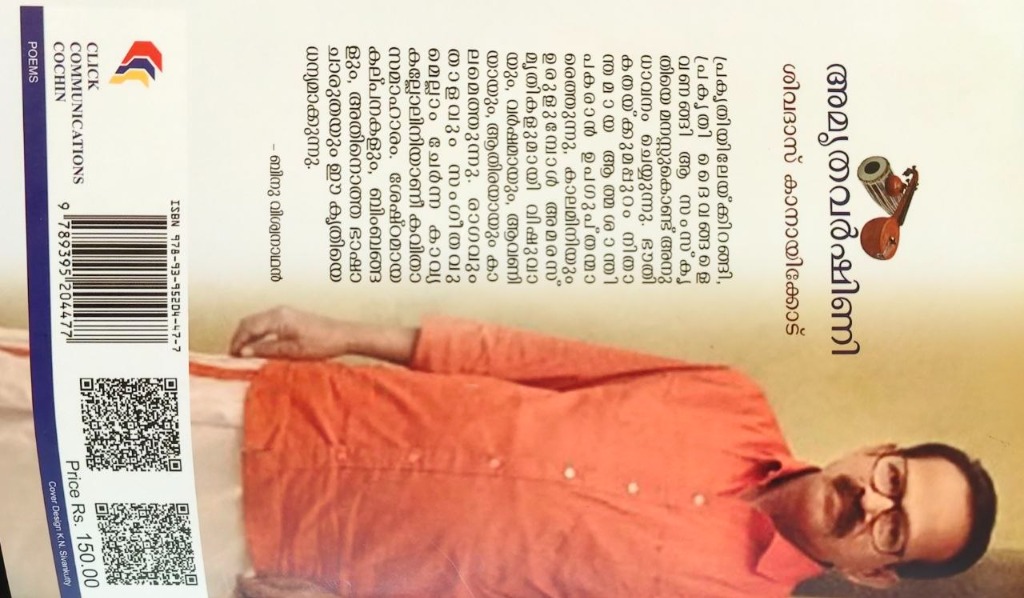
രചയിതാവിനെക്കുറിച്ച് എറണാകുളം ജില്ലയിലെ എടക്കാട്ടുവയൽ പഞ്ചായത്തിൽ കാനായിക്കോട് കരയിൽ അക്കരപ്പറമ്പിൽ കുഞ്ഞൻ-ഭവാനി ദമ്പതികളുടെ മൂന്നാമത്തെ മകനായാണ് ശിവദാസ് കാനായിക്കോട് ജനിച്ചത്. കാനായിക്കോട് എൽ.പി. സ്കൂൾ, വെളിയനാട് സെന്റ് പോൾസ് ഹൈസ്കൂൾ, തലയോലപ്പറമ്പ് ഡി.ബി. കോളേജ് എന്നിവിടങ്ങളിലായി വിദ്യാഭ്യാസം പൂർത്തിയാക്കി. ഒരു കാലഘട്ടം മുഴുവൻ എഴുത്തിന്റെ ലോകത്ത് സജീവമായിരുന്ന അദ്ദേഹം 'കർണ്ണവാക്യം' എന്ന ഒരു കവിതാ സമാഹാരം മുൻപ് പ്രസിദ്ധീകരിച്ചിട്ടുണ്ട്. നാടിന്റെ പൈതൃകത്തെക്കുറിച്ചുള്ള അഭിമാനബോധം, കലാ-സാംസ്കാരിക പ്രസ്ഥാനങ്ങളിലെ സജീവ പങ്കാളിത്തം, എഴുത്തുകാരായ സുഹൃത്തുക്കളുടെ സാന്നിധ്യം എന്നിവയാണ് അദ്ദേഹത്തെ ഒരു സാഹിത്യകാരനായി രൂപപ്പെടുത്തിയത്. സംഗ്രഹം ചുരുക്കത്തിൽ, ശിവദാസ് കാനായിക്കോട് കവിതകൾ ഒരു ചരിത്രരേഖയാണ്; ദാരിദ്ര്യം, ചൂഷണം, സ്വത്വനഷ്ടം എന്നിവയ്ക്കെതിരെ പോരാടുന്ന സാധാരണ മനുഷ്യന്റെ ശബ്ദമാണത്. സാഹിത്യം കേവലം സൗന്ദര്യാനുഭവം മാത്രമല്ല, മറിച്ച് സാമൂഹിക മാറ്റത്തിനുള്ള രാഷ്ട്രീയ ഉപകരണം കൂടിയാണെന്ന ഇടതുപക്ഷ സാംസ്കാരിക നിലപാടിനെ ഈ കവിതകൾ അടിവരയിടുന്നു. പീഡിതർക്കും പാർശ്വവൽക്കരിക്കപ്പെട്ടവർക്കും വേണ്ടിയുള്ള ഒരു നിരന്തര സംവാദമായി ഈ കവിതാ സമാഹാരം വായനക്കാർക്ക് മുന്നിൽ നിലകൊള്ളുന്നു.
പുസ്തക വിവരങ്ങൾ കൃതി: അമൃതവർഷിണി (കവിതകൾ) രചയിതാവ്: ശിവദാസ് കാനായിക്കോട് പ്രസാധകർ: ക്ലിക്ക് കമ്മ്യൂണിക്കേഷൻസ്, കൊച്ചി (Click Communications, Cochin) വില: ₹150
Subscribe to the newsletter
Get the latest posts delivered right to your inbox.